What is yachting? The absolute beginner's guide
What yachting really covers — cruising, budgets, myths — and how to get started without the glossy-magazine fantasy, with honest numbers throughout.
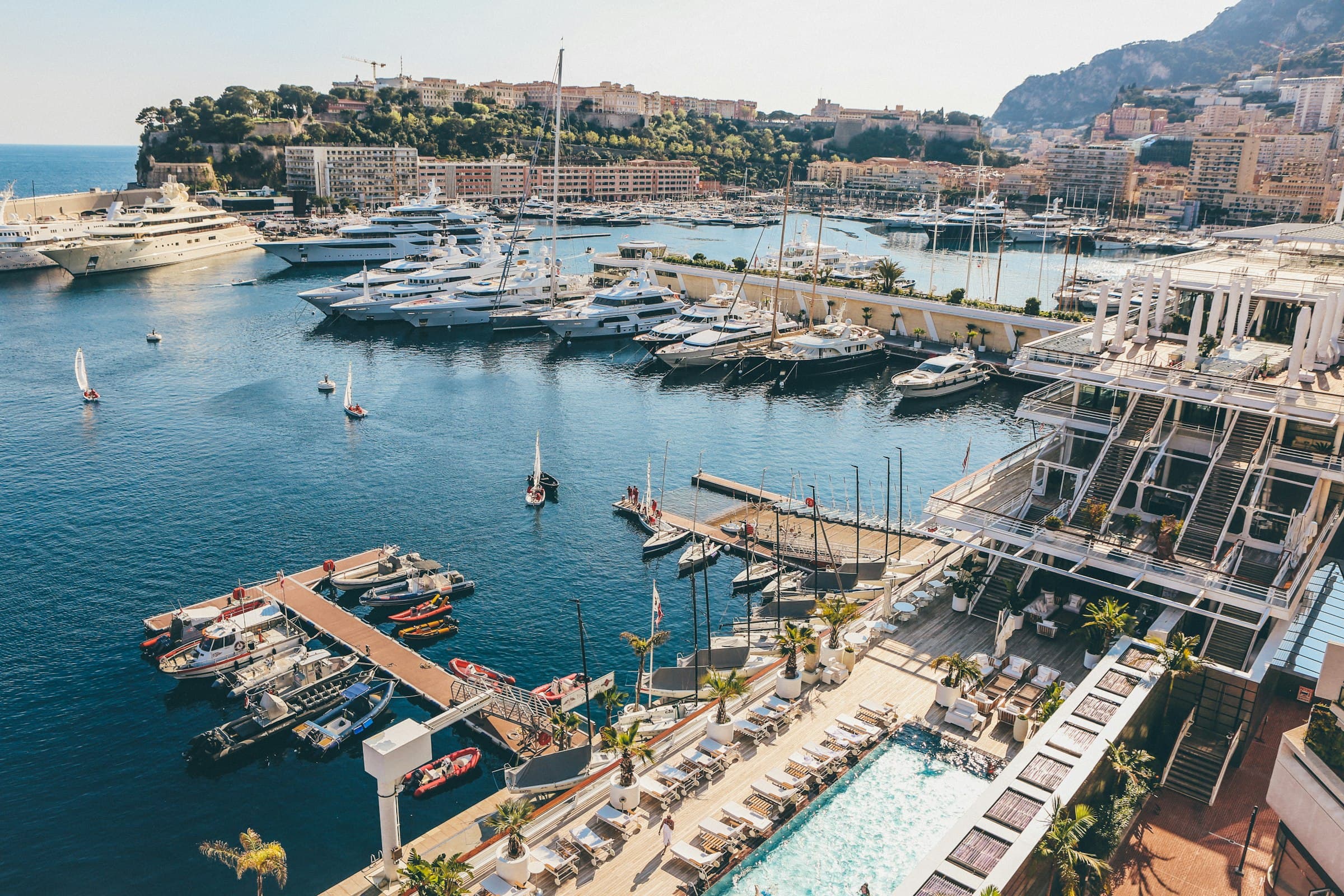
Yachting means recreational boating aboard a habitable vessel, sail or power, whether for cruising, sport or living aboard. Despite the glossy-magazine imagery, it does not start at 100 feet with a paid crew: a 30-foot second-hand sailboat bought for 25,000 € is already yachting in the full sense of the word. This guide lays the groundwork without the fantasy: the vocabulary, the real-world uses, honest budgets and the myths worth throwing overboard.
Yachting, boating, cruising: what the words actually mean
In everyday English, boating covers all recreational time on the water, from kayaks to cruisers. A yacht is simply any habitable pleasure boat — the word carries far less social weight in English than it does in French or Italian, where it tends to conjure gleaming white hulls in Monaco. A retired couple pottering along the coast on their 27-footer are yachting just as much as the owner of a 60-metre superyacht.
Three markers help structure the landscape. Boating is the umbrella term for everything afloat. Yachting implies a boat you can sleep and live on. Superyachting starts around 24 metres, the threshold beyond which a professional crew becomes the norm rather than the exception.
What people actually do on the water
Behind one word sit very different practices, each implying a different boat, budget and skill set:
- The day trip: swimming, fishing, lunch at anchor — by far the most common use, usually within five miles of the harbour.
- Coastal cruising: from a weekend to a month along the coast, harbour to anchorage. This is the heart of yachting.
- Bluewater cruising: ocean crossings, a Caribbean season, a Mediterranean circuit — months of preparation and a boat to match.
- Racing: competitive sailing, from club regattas to offshore events.
- Living aboard: the boat as a floating home, full-time or seasonal.
Most owners combine several uses over the years, and many people charter for whole seasons before owning anything. The choice between sail and power flows directly from your intended use: it structures everything else, from budget to learning curve.
The budgets: honest orders of magnitude
Talking money early is the best antidote to fantasy. As rough purchase figures observed on the market: a second-hand 20-foot day boat trades between 15,000 and 40,000 €, a used 33-to-40-foot cruising sailboat between 40,000 and 150,000 €, a new 40-foot motor cruiser between 300,000 and 600,000 €, and a recent cruising catamaran rarely dips below 400,000 €. Beyond that, yachts over 60 feet run into millions, with operating costs in the hundreds of thousands per year.
The real subject is not the purchase but the running costs: budget roughly 8 to 12% of the boat's value per year — berth, insurance, maintenance, winter storage, consumables. A 100,000 € boat therefore costs around 10,000 € a year whether it moves or not. Our cost-of-ownership calculator lets you run your own numbers, and the guide What a yacht really costs breaks down every line item, from paddleboard to superyacht.
Five myths that refuse to die
- “It's only for the rich.” False: day charter, shared ownership and boat clubs put regular time on the water within the budget of an ordinary hobby.
- “You need a licence for everything.” Requirements depend on your flag state and cruising ground: in several European countries sailing requires no licence at all, and powerboat rules vary widely.
- “It's dangerous.” Well-prepared recreational boating has a low accident rate; most trouble traces back to ignored weather or neglected equipment.
- “A boat pays for itself.” No. A pleasure boat is an assumed expense, not an investment — accepting that upfront avoids painful surprises.
- “You have to be born into it.” Thousands of adults learn every year through sailing schools and courses, often well after 40.
Where to start
The best entry point is not a purchase but experience gained in stages. Charter a skippered day first, to confirm you actually enjoy being at sea — and that seasickness is manageable. Follow with a sailing course or a powerboat licence, depending on which world attracts you and what your flag state requires. Then charter bareboat for a week in a forgiving area such as the Ionian islands. Only then ask yourself whether to buy, with a precise programme in mind. Buying first and learning afterwards is the classic — and most expensive — way round: the second-hand market is full of barely used boats sold at a loss by owners who discovered too late that their real programme was two day trips a year. The whole progression costs a few thousand euros: less than a single year of owning the wrong boat.
Frequently asked questions
What is the difference between a yacht and a pleasure boat?
In everyday usage a yacht suggests luxury, but technically any habitable pleasure boat is a yacht, whatever its size. Pleasure craft is the administrative term covering all recreational boating, from the RIB to the superyacht. The superyacht threshold sits around 24 metres, where a professional crew becomes standard.
How much money do you need to start yachting?
To get on the water, a few hundred euros is enough: a skippered day, a sailing course or a shared charter. To own, a first habitable second-hand boat costs 20,000 to 50,000 €, plus roughly 8-12% of its value per year in running costs: berth, insurance, maintenance and winter storage.
Can you go yachting without a licence?
Yes, under sail in many places: several flag states require no licence to helm a sailboat, even a large one. Powerboat rules vary — France, for instance, requires a licence above 6 hp. Abroad, requirements depend on the country and the charter company: always check before booking, especially in Croatia or Greece.
The surest way to know a boat is to sail her.
Before you buy — or simply to get away this season. Tell us your dates and your cruising area, and we source the right boat through our network of owners and vetted fleets.