Stabilisers, foils, keels: comfort at sea
Why boats roll, and what exists to stop it: gyros, fins, keels, multihulls. The real comfort-at-sea comparison, prices included.
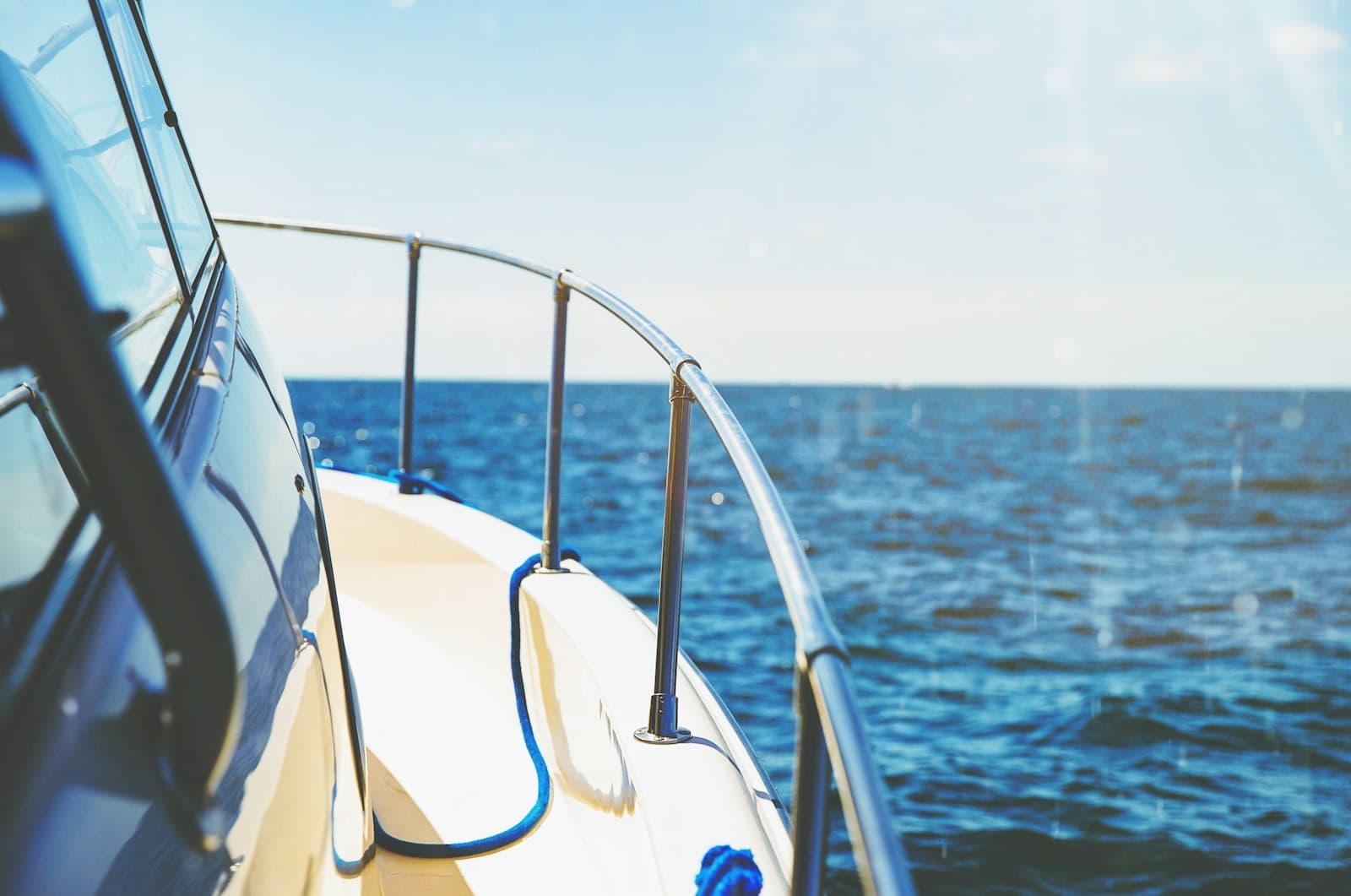
What makes a night at anchor miserable or a passage exhausting has a name: roll, the side-to-side motion that swell imposes on any hull. Pitch (fore-and-aft) tires you less and is hard to fight; roll, however, can be treated — through hull form, ballast, active appendages or the very geometry of the boat. Understanding these solutions explains why two boats of the same length can offer completely different comfort at sea.
Why boats roll
A hull rolls when swell takes it on the beam and its natural roll period resonates with the waves. The round bilges of trawlers and character boats roll gently but persistently; hard-chine planing hulls "grip" more but slam upwind. A sailboat's low ballast stiffens the righting. No shape eliminates the phenomenon: it only changes its character.
The gyro: the anchorage revolution
Gyroscopic stabilisers — a vacuum-encased flywheel spinning at several thousand rpm inside a gimballed sphere — oppose roll with torque and cut it by 80-95%, including at rest. This is what transformed life aboard motor yachts at anchor: no more nights rolling gunwale to gunwale in an open bay. The flip side: price (roughly €30,000 installed for a 12-15 metre boat, far more beyond), electrical draw, spool-up time (30-45 min) and serious maintenance. Most recent motor yachts over 50 feet now offer one as standard or option.
Active fins: the under-way reference
Fin stabilisers — two computer-controlled "flippers" under the hull — work with water speed: highly effective under way, they need beefier "zero speed" versions to act at rest. They are the standard fit on yachts over 18-20 metres and superyachts. Drawbacks: vulnerable appendages (grounding, pot lines), slight drag, and an installation weight that reserves them for boats large enough to justify it.
Passive solutions: simple and honest
Bilge keels, paravanes and pole-hung flopper-stoppers, fixed fins: these electronics-free solutions cut roll by 20-50% at modest cost. Paravanes remain the signature of ocean trawlers — spectacular outriggers deployed, genuinely effective both under way and at anchor. On a sailboat, the sail itself is the first stabiliser: a boat under canvas is a steadied boat, and a taut riding sail at anchor already calms rolly nights.
Multihulls and foils: changing the geometry
A catamaran does not roll: its beam forbids it. Its own motion — quicker, sometimes jerky in a chop — surprises at first, but flat life at anchor alone explains part of its success. As for foils, while they fly racing boats above the water, their cruising trickle-down remains modest: damping appendages and "lift-assist" stabilisers on a few fast designs — a promise more than a standard.
Trim tabs and interceptors: the pitch-and-trim department
Often confused with stabilisers, trim tabs and interceptors work on a different axis: they adjust a planing hull's running attitude — bow up, bow down, heel correction — rather than fighting roll at rest. Modern automatic systems double as ride control, softening pitch in a head sea and correcting list from wind or uneven loading, and some interceptor packages now blend genuine roll damping under way. They are standard equipment on most sport cruisers and flybridges, cost little to maintain, and transform fuel burn when set correctly: a hull trimmed flat can save 10-15% of fuel at cruise. Comfort at sea is a system, and this is its cheapest component.
Where to start
First define where comfort fails you: at anchor (the gyro is king), under way (fins or paravanes), or everywhere (change geometry: a multihull, or simply a longer boat). Then price it honestly: a gyro costs as much as a new engine, flopper-stoppers as much as a tender. And before any purchase, sea-trial the boat in a real seaway — comfort appears on no spec sheet.
Frequently asked questions
How much does a gyro stabiliser cost?
For a 12-15 metre yacht, expect roughly €25,000-45,000 installed depending on model and available space; larger yachts go far beyond. Add electrical consumption and periodic servicing — budget for it as you would a second engine.
What is the best stabilisation at anchor?
For motor boats, the gyro, hands down: effective at rest, with no appendages. Zero-speed fins also do the job on larger yachts. Under sail, a riding sail and good anchorage choice remain the healthiest answers.
Is a catamaran really more comfortable at sea?
At anchor and downwind, yes: no roll, life on the level. Into a head chop its quicker motion can surprise, and it doesn't "warn" like a heeling monohull. It is a different comfort rather than a superior one in all conditions.
Reading is the easy part. Then you have to decide.
A boat purchase turns on what you cannot see: the real history, the state of the hull below the waterline, how much room there is to negotiate. We represent you — independent of any seller, paid by you alone.