Corsica by boat: anchorages, winds, itineraries
Corsica coast by coast: anchorages, the Libeccio wind, Scandola and Lavezzi rules, posidonia no-anchor zones. How to cruise the island with confidence.
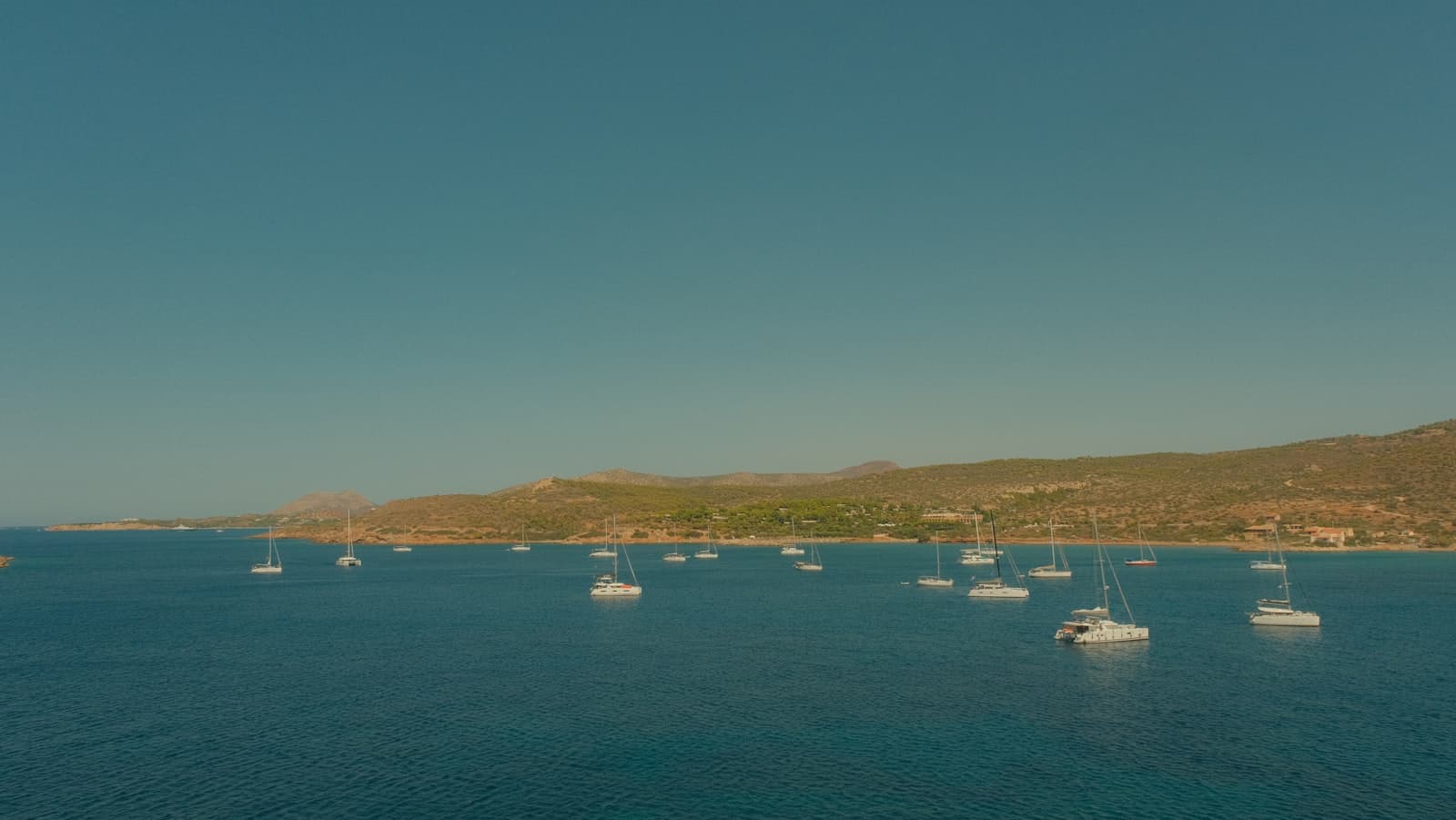
Cruising around Corsica means dealing with four very different coasts: a spectacular west coast exposed to the Libeccio wind, a world-famous far south around Bonifacio and the Lavezzi islands, a flat and sheltered east coast, and a wild Cap Corse. The full circumnavigation is about 220 miles; most crews pick one or two coasts per cruise. Three subjects govern everything else: the wind, the nature reserves and posidonia seagrass.
Four coasts, four kinds of sailing
The west coast, from Calvi to Bonifacio, is the most beautiful and the most demanding: Scandola, Girolata, the gulfs of Porto, Sagone and Valinco. Harbours are scarce (Calvi, Ajaccio, Propriano), the anchorages are superb, but westerly swell rolls in as soon as the wind settles. The far south concentrates Bonifacio and its cliff-cut inlet, the Lavezzi, and Sardinia twelve miles away — with wind almost always accelerated through the strait. The east coast, straight and sandy, offers few stops (Solenzara, Taverna, Campoloro) but often flat water: it is the transit coast. Cap Corse, finally, lines up forty wild miles between Macinaggio and Centuri, to be treated as a genuine headland passage with a solid forecast. Most crews rounding the island do so anticlockwise, keeping the prevailing south-westerly on the beam along the exposed stretch.
The Libeccio runs the show
The Libeccio, a south-westerly, is the dominant wind of the Corsican summer. It quickly builds a rough sea along the whole west coast, strengthens off every headland and turns the Bonifacio Strait into an acceleration zone: expect 10 to 15 knots more than the offshore forecast between Corsica and Sardinia. The Mistral mostly affects the island's north-west. Summer adds thermal breezes on top: calm mornings, 15 to 20 knots in the afternoon, calm again at dusk. The resulting tactics are simple: leave early, be anchored by 2 p.m., and always identify a fallback shelter before setting off. Our glossary covers the marine-weather vocabulary if you need it.
Scandola and Lavezzi: protected sites, strict rules
The Scandola reserve, a World Heritage site, bans anchoring in its core zone and regulates approach and speed: you sail past as a spectator, then pick up a buoy at Girolata. In the Lavezzi, at the heart of the Bonifacio Strait nature reserve, anchoring is organised by zones, buoys are laid in season and fishing is prohibited. These rules change almost every year — new zones, quotas, time windows — so check the regulations in force before the cruise rather than trusting a dated pilot book. Enforcement is very real in July and August, and the fines are designed to sting.
Posidonia: anchor on sand, never on the meadow
Since 2019, French maritime authorities have tightened anchoring rules over posidonia meadows, with an outright ban for larger yachts and mandatory good practice for everyone. In practice:
- look for the pale sand patches, easy to spot in Corsican water;
- check your set with a mask, or check the seagrass maps on dedicated apps;
- use eco-mooring buoys where they are laid (Girolata and Sant'Amanza among others);
- avoid swinging over the meadow: the chain destroys more than the anchor does.
Beyond the possible fine, an anchor set in posidonia holds poorly: seagrass does not grip.
Which coast for which crew
- One week from Ajaccio: the gulf of Ajaccio, Valinco, Bonifacio and the Lavezzi — the most efficient highlights reel.
- One week from Calvi: the Balagne, Scandola, Girolata and the gulf of Porto — the most spectacular.
- Two weeks: the full west coast, returning along the east if the Libeccio digs in.
- Beginner crew or children: the far south in settled weather, short legs and gin-clear water.
To reach the island from the mainland, our guide The Mediterranean: the perfect first-summer itinerary covers the crossing in detail.
Where to start
Get a recent pilot guide to Corsica and cross-check it against the regulations published online — the printed page ages fast here. Book Bonifacio, Calvi and Girolata well ahead for July and August, and keep one flexible night in the plan for weather. Check that your ground tackle is up to the job: 60 metres of chain is no luxury in ten metres of water when the gusts come through. Finally, if Corsica becomes your regular cruising ground, the platform matters: sailing yachts find a perfect playground here, while a fast sports cruiser lets you work around the island in step with the weather windows. Either way, it is the ability to sit comfortably at anchor that makes or breaks the cruise.
Frequently asked questions
Can you anchor in the Lavezzi islands?
Yes, but within a regulated framework: the archipelago is part of the Bonifacio Strait nature reserve, with defined anchoring zones, seasonal buoys and a ban on anchoring in seagrass. The rules change from year to year, so check the current regulations. In summer, arrive early in the morning — spots go fast.
Which is the best side of Corsica by boat?
The west coast and the far south concentrate the most spectacular scenery and anchorages (Scandola, Girolata, Bonifacio, the Lavezzi), but they are exposed to the Libeccio. The east coast is visually plainer but offers sheltered water when westerlies are established. The best side is ultimately the one that week's weather allows you.
When is the best time to sail in Corsica?
June and September are ideal: warm water, breathable anchorages, moderate breezes. July and August combine peak crowds, buoy fields under siege and the strongest thermal winds. May and October offer empty coastlines but cooler water and reduced services in the smaller harbours.
The surest way to know a boat is to sail her.
Before you buy — or simply to get away this season. Tell us your dates and your cruising area, and we source the right boat through our network of owners and vetted fleets.