Becoming a professional skipper: training and realities
Yachtmaster or national tickets, sea miles to log, honest pay of 1,500-3,000 € net: the realistic path to working as a professional skipper.
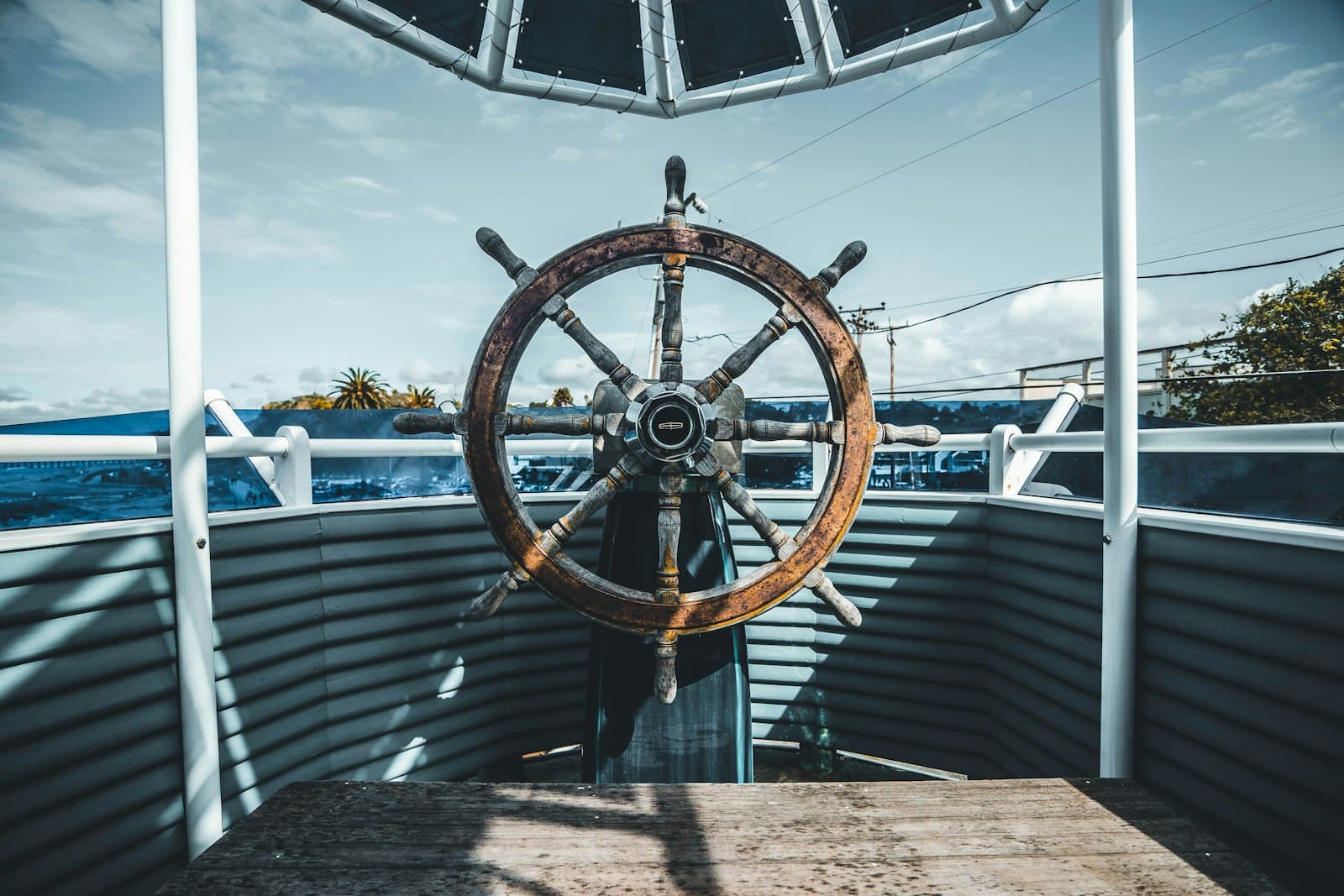
Working as a professional skipper requires a commercial ticket. Internationally, the benchmark is the RYA Yachtmaster Offshore with a commercial endorsement; many countries also run their own national licences (France's Capitaine 200, the USCG licences in the United States), and what is accepted depends on the vessel's flag. Expect 6 to 18 months of training, 4,000 to 12,000 € of investment, and starting pay of 1,800 to 2,800 € net per month. The certificate opens the door; sea miles make the career.
Yachtmaster or a national ticket: choosing your route
The most portable route is the Yachtmaster Offshore: a demanding practical exam, a logbook of qualifying miles, plus basic safety certificates, then a commercial endorsement that lets you work for hire. It is recognised by many flag states and by most international charter fleets.
Alongside it, national commercial licences — merchant-marine style tickets issued by your own maritime authority — are required or preferred for boats under certain flags and for certain employers. The right choice depends entirely on the flag you will work under: an international charter fleet has different expectations from a domestic sailing school. Requirements vary by flag state and by activity, so validate your plan with your maritime authority or a recognised sea school before spending money. Our overview of licences and training places these tickets in the wider landscape.
Miles first: the experience that actually counts
No serious employer hands a boat and eight clients to a freshly printed certificate. The Yachtmaster already demands a filled logbook — on the order of 2,500 miles and 50 days at sea, including night passages — and the market wants more. Ways to build it:
- Yacht deliveries, the best school for offshore miles and for managing a boat that is not your own.
- Seasons as crew or first mate in a flotilla.
- Racing and club sailing, free and highly formative.
- Crew-matching passages with private owners, choosing experienced captains.
Start keeping a precise logbook today: dates, miles, role aboard, conditions met. It is your first CV.
What the job really looks like
The heart of the market is the season: six to seven months from April to October in the Mediterranean, chaining charter weeks, flotilla lead-boat work or sailing-school courses. Days run twelve hours: briefing, sailing, anchorages, guests, then maintenance on Saturday between two turnarounds. In winter, skippers live off deliveries, yard work, a Caribbean season — or a second trade. Versatility is the rule: a good charter skipper is also a first-line mechanic, a tour guide, a mediator and, some evenings, a bit of a psychologist. To see the job from the client's side, read our guide to skippered charter.
Honest pay: what the market actually offers
The figures below are observed orders of magnitude, to be adjusted for region, employer and employment status:
- Beginner flotilla skipper: 1,500 to 2,200 € net per month, usually living aboard.
- Mediterranean charter skipper: 2,000 to 3,000 € net, plus tips — sometimes 500 € and more per week in high season.
- Freelance deliveries: 150 to 250 € per day with expenses paid, but no guaranteed volume.
- Sailing-school instructor: 120 to 200 € per day depending on the outfit.
- Captain on a private yacht or superyacht: 4,000 to 10,000 € and beyond, but that is a different career, with higher tickets and years of bridge time.
Averaged over the year, a seasonal skipper often earns less than a median shore salary, because the off-season goes unpaid.
The downside the schools don't advertise
The responsibility is real: the skipper answers personally, sometimes criminally, for the safety of their passengers. Fatigue accumulates — demanding guests, weather, broken sleep, no margin for error in manoeuvres. Employment is often precarious: seasonal contracts, forced self-employment, social protection you must build yourself depending on the country. And personal life takes on water: six months a year away from home wears down couples and thins out friendships. Many leave the deck between 35 and 45 for high-end deliveries, surveying, brokerage or instruction. Thinking about that exit from day one is not pessimism — it is career management.
Where to start this year
- Sail: sign on as crew for deliveries and races, and keep your mileage log up to date.
- Pick your route — an international Yachtmaster or your national ticket — based on the flag and market you are aiming for, and have a recognised school validate the plan.
- Pass the basic certificates (safety training, seafarer medical) that condition any hiring.
- Aim for a first season on a flotilla: it is the trade school of the job, client handling included.
- Keep several months of savings: the first year almost always includes an empty off-season.
Frequently asked questions
What qualification do you need to become a professional skipper?
You need a commercial ticket: internationally, the RYA Yachtmaster Offshore with a commercial endorsement is widely recognised, while many countries require their own national licence (Capitaine 200 in France, USCG licences in the US). Basic safety certificates and a seafarer medical come on top. Exact requirements depend on the flag and the activity, so check with the maritime authority or a recognised school.
How much does a professional skipper earn?
As orders of magnitude: 1,500 to 2,200 € net per month for a beginner on a flotilla, 2,000 to 3,000 € as a Mediterranean charter skipper with tips on top, and 150 to 250 € per day for freelance deliveries. Bear in mind the season lasts six to seven months and the off-season is usually unpaid, which weighs on real annual income.
Can you become a professional skipper without going through a school?
Not for the ticket: skippering commercially without the proper certificate is illegal and uninsurable. Yes for the experience: miles are logged outside any school, on deliveries, races or as crew. The classic path combines both — build experience first, then sit the exam once your logbook qualifies.
The surest way to know a boat is to sail her.
Before you buy — or simply to get away this season. Tell us your dates and your cruising area, and we source the right boat through our network of owners and vetted fleets.