Engine maintenance: what you can do yourself
Oil, filters, impeller, anodes, belts: the engine jobs a careful owner can do, the basic toolkit, and what is genuinely best left to a professional.
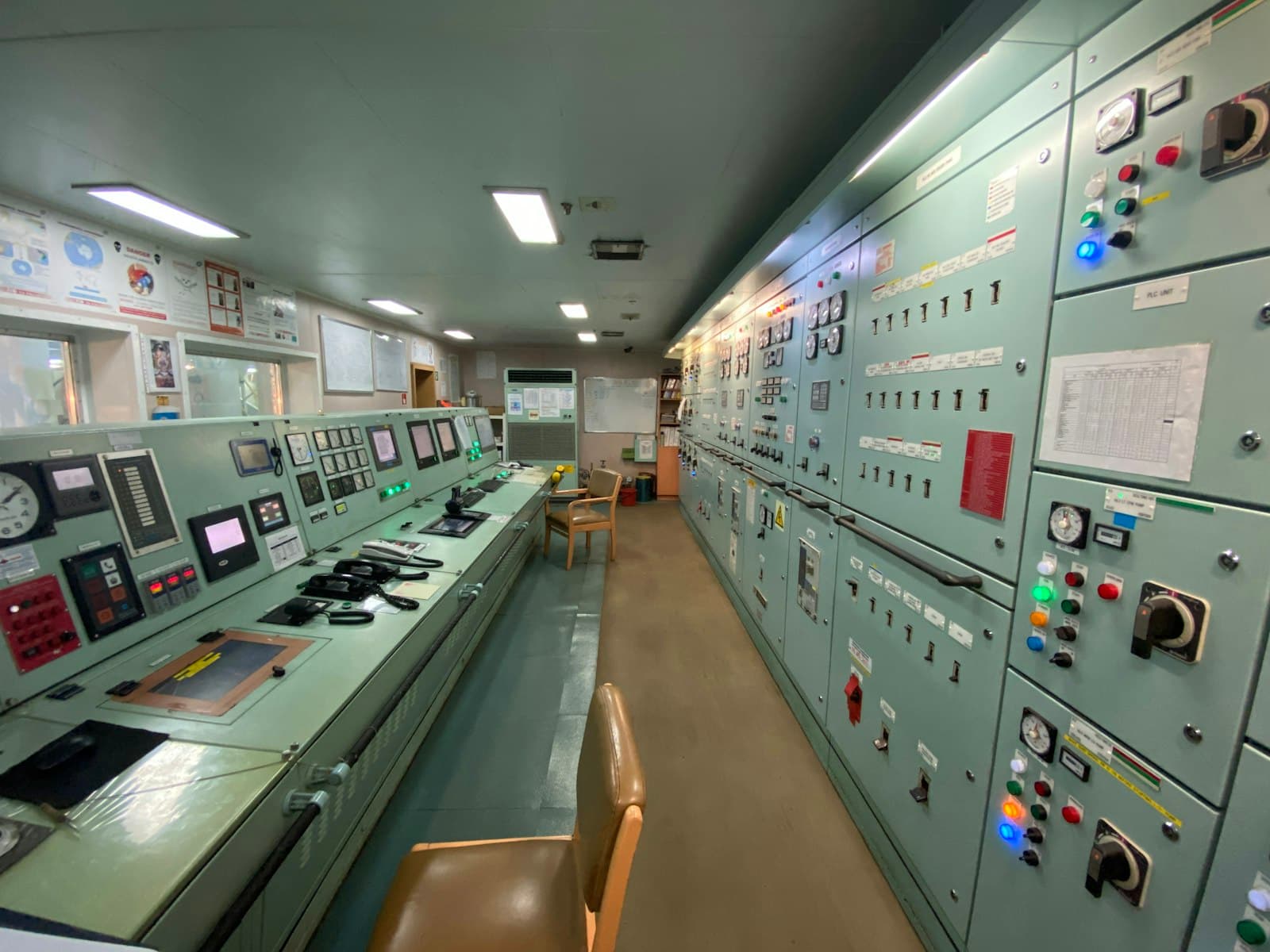
On a marine diesel, a careful owner can handle most routine servicing personally: oil changes, oil and fuel filter replacement, the raw-water pump impeller, anodes and belts. Budget €200-500 a year in parts, against €800-1,500 for the same programme billed by a yard. What stays with the professional: injection, shaft alignment, and anything touching the engine's electronics.
What you can do yourself
A marine diesel is a simple, robust engine designed to be serviced aboard. With the engine manual, basic tools and some method, these jobs are within your reach:
- Engine and gearbox oil changes, oil filter replacement.
- Fuel filters: the primary water separator and the fine filter on the engine.
- The raw-water pump impeller, and its cover gasket.
- Internal cooling-circuit anodes, plus shaft and drive anodes at haul-out.
- Alternator and pump belts: tension, condition, replacement.
- Visual checks: hoses, clamps, leaks, coolant level, engine mount condition.
The tooling investment — an oil extraction pump, filter wrenches, a socket set, impeller pliers — comes to €150-300, paid back within the first year. To understand your installation's architecture before getting your hands in, reread marine engines: inboard, outboard, saildrive, IPS.
The oil change, step by step
The rule: every 100 hours or once a year, whichever comes first — and before winter lay-up, not after, because used oil is acidic. Run the engine for ten minutes to warm the oil, shut down, then extract through the dipstick tube with the pump: on a boat you rarely drain by gravity. Replace the filter after oiling its seal, refill to the quantity and specification in the manual — many older marine diesels prefer a mineral 15W-40 — then restart and check pressure and for leaks. Do not forget the gearbox, which everyone neglects, nor the saildrive oil at every haul-out. Write everything down: date, engine hours, part references.
Impeller, anodes, belts: the maintenance that prevents the breakdown
The impeller is the most critical part of the cooling circuit: its rubber vanes die of old age or of a few seconds run dry, and an overheating engine at sea means a ruined day or worse. Change it every one to two years, and count the missing vanes on the old one: they have gone to lodge in the heat exchanger — go and find them. Always keep a spare impeller aboard. The engine's internal anodes and those in the heat exchanger get checked once or twice a year and replaced at 50% wear — a few euros protecting thousands. Belts, finally: about a centimetre of deflection under your thumb, no cracking, and black dust signals misalignment. A spare belt aboard, always.
What is better delegated
The dividing line is clean. Anything requiring calibration or specialist tooling goes to a professional: injection pump and injectors (set on a test bench), propeller shaft alignment and engine mounts, saildrive seals and diaphragm (replaced at intervals the builder imposes), turbochargers, air conditioning and refrigeration, and the electronics of recent common-rail engines, which demand the dealer's diagnostic kit. On warranty: while it runs, have services stamped by the approved network on the builder's schedule — your own spanner work can wait until afterwards. The right reflex: do the routine yourself, pay the specialist for the sharp end, and watch the interventions to learn.
The maintenance log, your best ally
A binder or an app, it does not matter: dates, engine hours, operations, part references, invoices. This log has three virtues. It stops you missing a deadline — marine servicing runs on the calendar as much as the hour meter. It transforms diagnosis: a mechanic who knows what has been done searches twice as fast. And at resale, a complete service history gives the boat credibility and defends its price better than any sales pitch — a serious buyer will ask for it anyway. An oil analysis (€30-60) before selling or buying rounds out the file nicely. The hours you put in are annual budget saved twice over.
Your first season of self-reliance
- Get the engine manual, ideally the workshop manual: everything starts there.
- Build your onboard kit: filters in duplicate, impeller, belts, oils, anodes, grease.
- Do your first oil change with company — a friend who knows the drill, or the harbour mechanic who lets you watch.
- Photograph every step before dismantling anything: reassembly becomes trivial.
- Set your rhythm: full service in spring, quick checks on every outing — levels, cooling water flow at the exhaust, exhaust smoke colour.
And couple the programme with winterising: the autumn oil change and the engine's winter protection are one and the same job, done in a single methodical day.
Frequently asked questions
How often should a boat engine's oil be changed?
Every 100 hours or once a year, whichever comes first — most leisure boaters run under 100 hours and therefore change annually. Do it before winter lay-up, not after: used oil is acidic and attacks the engine over winter. Remember the gearbox oil too.
What tools do I need to service a marine engine myself?
The basic kit: an oil extraction pump, filter wrenches, a socket set and spanners, impeller pliers or a puller, screwdrivers, trays and absorbent pads. Expect €150-300 as a one-off, paid back with the very first oil change you do yourself.
Does DIY servicing void the engine warranty?
While the warranty runs, the safest course is to have the scheduled services done by the approved network, on the builder's programme, and to keep the invoices. Once the warranty has expired, owner servicing documented in a log is perfectly accepted — and even valued at resale.
Your boat can pay for its own berth.
A few chartered weeks a year are often enough to cover the berth and the maintenance. Vetted charterers, secured deposits, and your rules — you keep the calendar.