Antifouling: which one, and when to redo it
Eroding or hard matrix? Which antifouling for your boating, when to redo it, real prices, biocide rules, and how to apply it properly yourself.
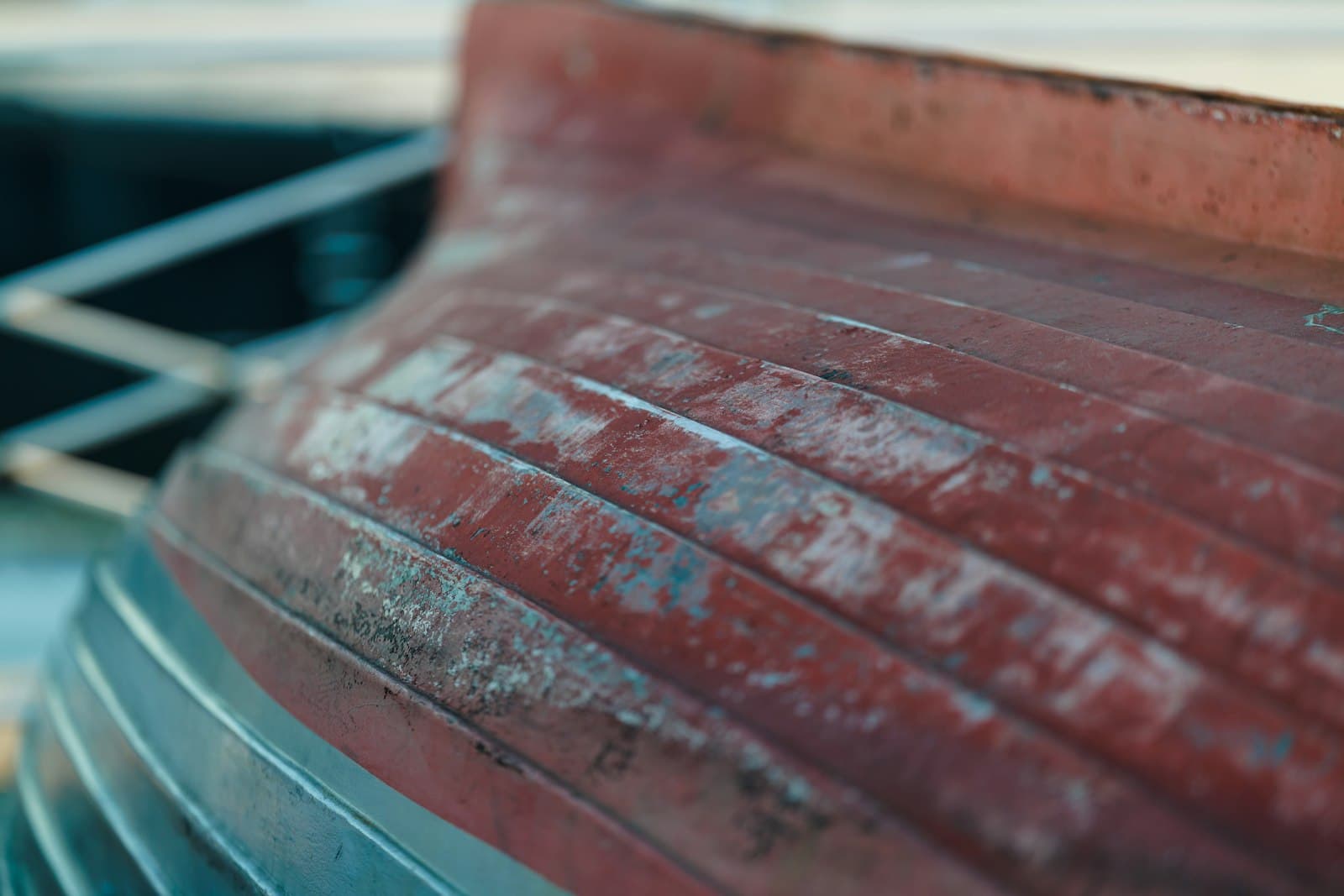
For a cruising boat that sails regularly, eroding antifouling — redone every 12 to 24 months — is the right default choice. Hard matrix paint is for fast hulls, racers and dry-stacked boats. Budget-wise, expect €800-2,000 for a complete bottom job on a 33-40 footer at a yard, lift included — roughly half that if you do it yourself.
What antifouling actually does
An immersed hull covers itself within weeks with a bacterial film, then weed, then barnacles. The consequences are measurable: one to two knots lost under sail, 20-30% more fuel under power, water intakes that clog and an engine that overheats. Antifouling is paint loaded with biocides — mostly copper oxides — that leach out slowly to prevent colonisation. Its effectiveness is time-limited: twelve to twenty-four months in most European waters, whatever the tin promises.
Eroding or hard matrix: the basic choice
Eroding paint, also called self-polishing, wears away as water flows past, exposing fresh biocide. Its advantages: consistent performance, no build-up of old layers, easy recoating without heavy sanding. It is the cruising choice, sail or displacement motor, below 20-25 knots. Its weakness: it hates friction — lifting strops, drying out, scrubbing — and wears fast at high speed. Hard matrix paint keeps its structure: the biocide leaches out, but the film stays in place, hard and smooth. It withstands high speeds, mid-season scrubbing and repeated lifts: racers, fast cruisers and dry-stacked boats. Its drawback: layers pile up over the years until a full sand-back is due. Hybrid semi-eroding paints exist, but the simple rule holds: eroding for cruising, hard for speed and sport.
Water, region, usage: refining the choice
Temperature and salinity matter more than the brand. Warm Mediterranean water colonises at speed in summer; brackish estuaries and inland waterways call for specific formulas; in fresh water, classic antifouling loses much of its point. A boat that sits at the dock fouls faster than one that sails every week — movement is the best antifouling there is. One essential special case: aluminium hulls demand copper-free products, or destructive galvanic corrosion follows — the mechanism is explained in osmosis, electrolysis, corrosion. Finally, the best advice is local: the yard in your harbour knows what works in that particular water, with ten years of feedback behind it.
When to redo it, and the signs that never lie
The standard rhythm: every season, or every other season, for an eroding paint — depending on region and time spent afloat. The wear signs: a stubborn green film at the waterline, a noticeable speed loss in identical conditions, patches where the previous coat's colour shows through. At every lift, inspect before repainting: if the coating is sound and adhering, a pressure wash and one or two coats are enough. Every eight to ten years, plan a full strip-back — sanding or slurry blasting, €2,000-5,000 for a 33-40 footer — to start again on a clean substrate, and use the opportunity to have the gelcoat inspected. Keep a dated photo of the hull at every lift: comparing seasons side by side tells you more than memory ever will.
Regulations and alternatives
Biocides are regulated at European level and the list of permitted substances keeps shrinking; rules also vary with your flag and your harbour. Two practical rules to remember: scrubbing off on the beach or the slipway is banned and increasingly fined — use a designated wash-down area with water recovery — and sanding dust must be handled with a mask and vacuum sander, because it concentrates the biocide. The alternatives are gaining ground: dry stack (no antifouling at all), silicone foul-release coatings (effective on fast hulls, but fragile and expensive), regular in-water scrubbing by diver, and ultrasonic systems with still-mixed results. None wins everywhere yet, but the regulatory direction is clear: less biocide in the water.
Getting the job done right
- Book the wash-down area and the lift together: in spring, everything is fully booked.
- Pressure-wash within hours of lifting: once dry, fouling welds itself to the hull.
- Sand lightly, wearing a mask, then tape the waterline cleanly.
- Apply a primer if you are changing paint type or brand, or on bare patches.
- Roll on two coats everywhere, a third at the waterline, rudder and leading edges, respecting the maker's drying times.
- Change the anodes while you are at it: there is no better moment.
Allow a full day for two people on a 33-40 footer. Fold the cost into your annual budget, and combine it smartly with wintering ashore: one lift covers both jobs.
Frequently asked questions
Which antifouling should I choose for a sailing yacht in the Mediterranean?
An eroding paint with a high biocide load, suited to warm waters that foul quickly. If the boat stays afloat year-round, plan to redo it every season. Ask the yard in your harbour what works locally: that is the best indicator, ahead of any brand name.
Can I apply antifouling myself?
Yes, on a designated wash-down area, with mask, gloves and coveralls: pressure wash, light sanding, two coats by roller plus a third at the waterline. Allow a full day for two people on a 33-40 footer, and savings of roughly 50% against the yard's invoice.
How long does antifouling last?
Twelve to twenty-four months depending on type, water and usage. An eroding paint wears out faster in warm water and on a boat that sits in the marina; a hard matrix can be scrubbed mid-season to stretch its effectiveness. Beyond two seasons, little active protection remains.
Your boat can pay for its own berth.
A few chartered weeks a year are often enough to cover the berth and the maintenance. Vetted charterers, secured deposits, and your rules — you keep the calendar.