Financing your boat: loan, leasing, lease-purchase
Cash, marine loan or lease-purchase: how each formula works, deposits and terms, what remains of the VAT angle, and the traps of early buyouts.
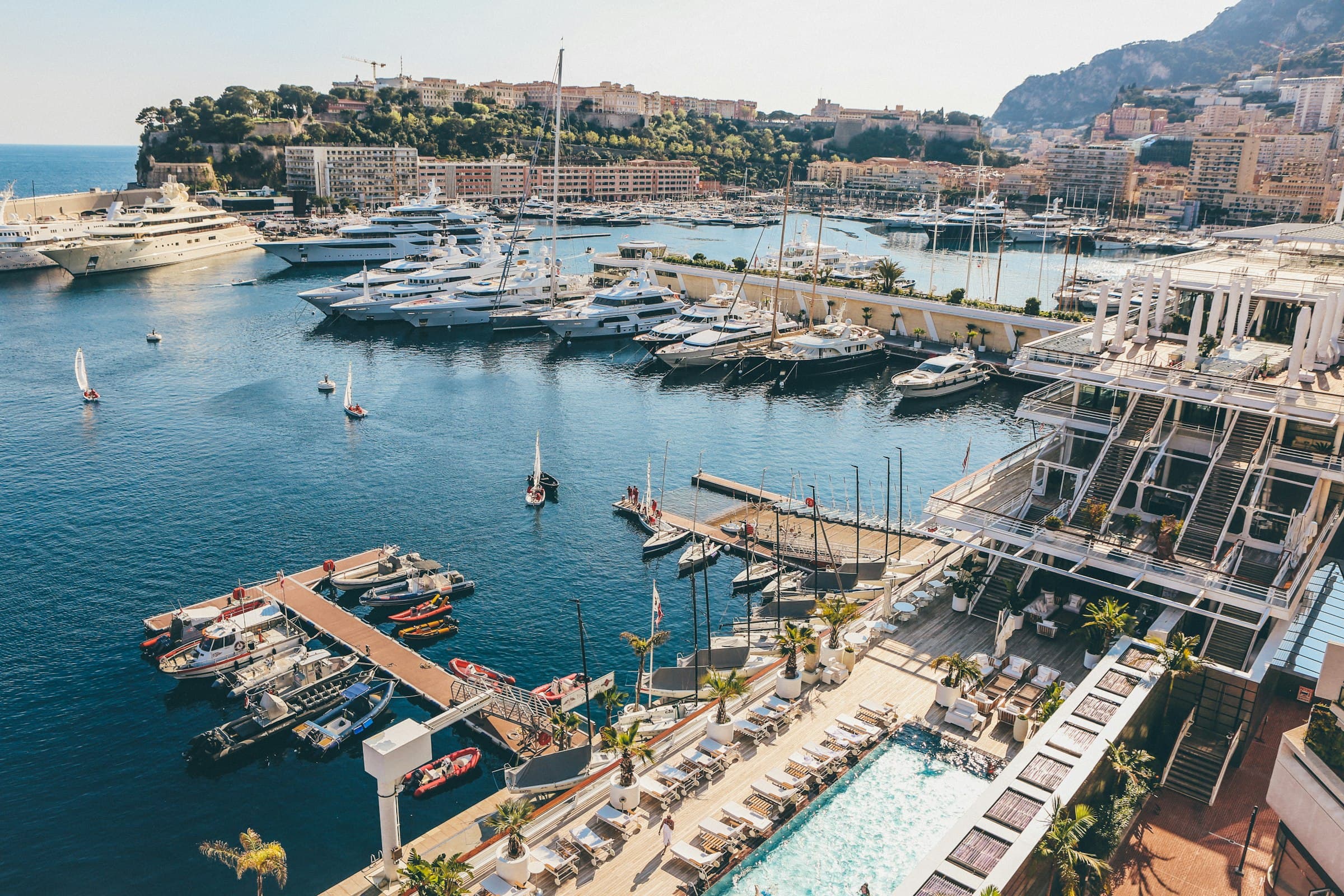
There are three main ways to finance a boat: paying cash, taking out a marine loan, and lease-purchase — known in France as LOA (location avec option d'achat), where a finance company owns the boat and rents it to you with a purchase option at the end. Lease-purchase dominates new-boat sales in France and much of the Mediterranean; marine mortgages and personal loans are the norm elsewhere. The right choice depends on the amount, how long you plan to keep the boat, and how much contractual constraint you can accept.
Cash, loan or lease-purchase: the three routes compared
Cash is the simplest route: no interest, full ownership, total freedom to sell. Its drawback is locking substantial capital into a depreciating asset — roughly 5 to 10% per year in the early years for a new boat. A loan makes you the owner from day one, with the bank as a creditor only. Lease-purchase reverses the logic: the finance company buys the boat and rents it to you, with a purchase option at the end of the term. Before comparing monthly payments, work out the full cost of ownership — berthing, maintenance, insurance — with our cost of ownership tool: financing is only one line in the budget, and rarely the heaviest over time.
The classic boat loan: simple and transparent
For smaller amounts, a personal loan or dedicated marine consumer credit is usually enough; above roughly 75,000 to 100,000 euros or the local equivalent, specialist lenders offer marine mortgages secured against the vessel. Typical terms run 5 to 12 years, with a deposit of 10 to 20% commonly required. The advantages are clear: you own the boat immediately, you choose your own insurer, and you can sell whenever you like once the outstanding capital is repaid. The drawback: for the same term, monthly payments are often higher than under a lease, since there is no residual value deferred to the end of the contract. That is the price of simplicity.
Lease-purchase: how it really works
Under a lease-purchase, you pay an increased first instalment (15 to 40% of the price), then monthly payments over 60 to 180 months, and finally a purchase option that is often symbolic (1 to 5% of the value). Until you exercise the option, the boat belongs to the finance company. In practice that means comprehensive insurance is mandatory for the whole term, written approval is needed for distant cruising grounds or any major modification, and the registration document carries the lessor's name. These constraints are acceptable for most coastal programmes, but you should know them before signing, not after.
Leasing and VAT: a historic advantage that has shrunk
For years, French lease-purchase allowed a flat-rate reduction of VAT on the instalments, meant to reflect time spent outside EU waters. That regime was reformed under European pressure: any reduction now depends on documented actual use. In plain terms, do not choose a lease for an automatic tax advantage — it no longer exists in that form, and equivalents vary with your flag and country of registration. If your programme genuinely involves significant sailing outside EU waters, have a marine finance professional run the numbers, and read our basics of boat VAT first to get the vocabulary straight.
The traps: buyout tables and mid-contract resale
This is where the bad surprises cluster. Check these points line by line before signing:
- The early buyout table: in the first years of the contract, the sum required to exit can exceed the boat's actual second-hand market value.
- Early termination penalties, which sometimes come on top of the outstanding capital.
- Transfer conditions: selling a boat under lease means finding a buyer who takes over the contract, subject to the lessor's approval and a credit check.
- The true total cost: add first instalment, all monthly payments and the purchase option, then compare with the total cost of a loan — the monthly figure alone tells you nothing.
Where to start
Define the overall budget first, ownership costs included, before discussing finance at all. Then request two quotes on the same amount and term — one loan, one lease — and compare total costs rather than monthly payments. Insist on seeing the buyout table before signature, and read the transfer conditions if you might sell before the term ends. Place financing in the full timeline described in our guide to the buying process: get quotes early, but sign nothing before the survey. For contract review and structured negotiation, our yacht buying service covers exactly this stage.
Frequently asked questions
How much deposit do you need to finance a boat?
With a classic loan, lenders typically ask for a 10-20% deposit. Under a lease-purchase, the increased first instalment plays that role and represents 15-40% of the price. Zero-deposit finance exists with some lenders, but the total cost rises significantly and the payments become heavy on a depreciating asset.
Can you sell a boat that is still under lease-purchase?
Yes, in two ways: transfer the contract to a buyer approved by the finance company, or buy out the contract early and then sell freely. Beware of the first years: the required buyout figure can exceed the boat's actual second-hand value, making an early exit expensive.
Does lease-purchase still reduce the VAT you pay?
Not automatically anymore. The old flat-rate reduction tied to time in international waters was reformed: a reduction remains possible where use outside EU waters is genuine and documented, but it must be evidenced. The details vary by country of registration, so have a professional validate your situation before counting on it.
Reading is the easy part. Then you have to decide.
A boat purchase turns on what you cannot see: the real history, the state of the hull below the waterline, how much room there is to negotiate. We represent you — independent of any seller, paid by you alone.