Flybridge, hard-top or open: which deck for which use?
Sun, shelter, air draft, upkeep, price: flybridge, hard-top or open — a comparison by cruising area to pick the right deck layout for your boating.
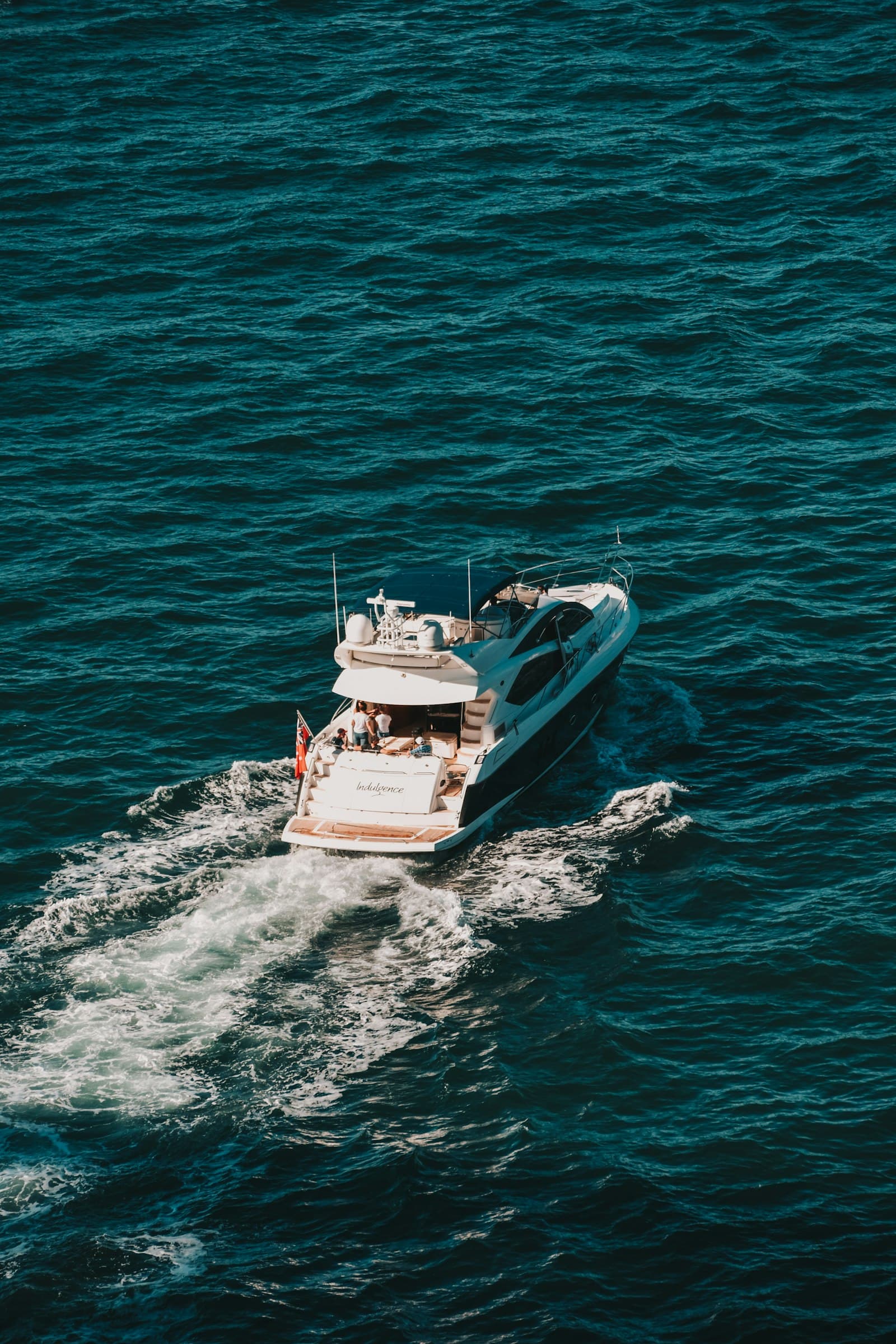
Choosing between an open boat, a hard-top and a flybridge comes down first to climate and use. The open rules day trips under the sun; the hard-top is the four-season compromise that has won the market; the flybridge adds an upper living deck and a commanding view, at the price of extra air draft, windage and budget. No layout is "the best": each serves a programme and a cruising area.
Three architectures, three philosophies
The open is the sky-open cockpit: centre console or bow-rider, perhaps a T-top for shade, the sea in direct contact. The hard-top adds a rigid — often opening — roof above a glazed helm position: real shelter, without giving up open air when the sun returns. The flybridge stacks a second helm station and an outdoor saloon on the coachroof: two living levels on the same hull length. Opens and hard-tops form the heart of the sport cruiser segment; the flybridge dominates among cruising motor yachts. At equal length, the price gap between the three formulas can reach 20 to 40%, mostly driven by the flybridge and its structure.
The flybridge: an extra floor, at a price
The benefits are real: a commanding view that simplifies manoeuvres and reading the bottom at anchor, nearly double the living area, a shaded lower cockpit. The costs are just as real: height that increases windage in the marina, air draft that closes rivers and some sheltered berths, weight up high that accentuates rolling at anchor, upper canvas and upholstery to renew regularly, and a substantial purchase premium. Above all, outside the warm season the upper deck goes unused: buying a fly to cruise from October to May means paying for a deck you never sit on. The formula makes full sense from about 40-45 feet (12-13 metres); below that, it eats the volume and weighs down the silhouette. Resale follows climate too: flybridge yachts sell well around the Mediterranean and poorly in regions where the upper deck is usable six weeks a year.
The hard-top: the compromise that won
The hard-top conquered the European market for a simple reason: it buys days on the water. Sheltered from sun and squalls alike, the crew cruises in the shoulder seasons, where the open stays in port. Roof closed in winter, open in summer: genuine versatility, with less canvas to maintain than a fully tented open and fewer weather windows lost. Its limits: less pure open air than an open, a single living level, and an intermediate height still worth checking for inland waterways and height-restricted harbours. It is also the favourite of families cruising with young children: shelter means a possible nap below and outings that go ahead despite a grey sky.
The open: immediate pleasure, weather as a partner
Swimming, bow sunpads, towed sports, lunch at anchor: the open is the perfect-day boat. Simpler, lighter, cheaper to maintain, it resells well in sunny regions. Its constraint is structural: no shelter, so a short season outside the Mediterranean and similar climates, upholstery exposed to UV and spray, and nights aboard that remain camping beyond a weekend. It is the core of the day boat family, where recent models work hard on shade and modularity. A well-designed bimini stretches the season, but it will never replace a genuine wheelhouse when the spray starts flying.
Choosing by cruising area: the deciding criterion
- Mediterranean summers: the open up to 33-36 feet for day use; the fly becomes a real asset at anchor from 40-45 feet.
- Atlantic coasts, the Channel, the North Sea: hard-top first — the sea days gained are worth more than a panoramic deck in the drizzle.
- Rivers and bridge country: check air draft to the centimetre; the flybridge is often disqualifying there.
- Long coastal cruising: the match is rather between the fly and the trawler — see trawler or fast cruiser.
Where to start
Go back over your last twenty outings — or the ones you plan: how many would genuinely have used an upper deck? How many were cancelled for lack of shelter? That simple count guides better than any boat-show pontoon. Be honest in the exercise: the imagined use always includes more sunsets from the upper deck than the real one. Then charter the shortlisted layout for a week, in your actual cruising area and nowhere else, and put the candidate models side by side in the comparison tool: for the same programme, the gaps in price, air draft and maintenance costs usually make the right choice appear on their own.
Frequently asked questions
Is a flybridge worth the extra cost?
Yes from roughly 40-45 feet (12-13 metres), for summer use or warm climates, and if your area imposes no air draft constraint. Below that size, or for a short season, the hard-top delivers most of the comfort for lower cost, less upkeep and less windage.
Which layout works best for the Mediterranean?
For day trips and weekends, an open up to 33-36 feet is the natural choice. For cruising with nights aboard, hard-top or flybridge depending on size: the fly comes into its own at anchor from 40-45 feet. In every case shade is the key criterion — bimini, T-top or roof, you need one.
Is a flybridge a problem in bad weather?
The upper helm is exposed to wind and cold, and the extra height increases windage during marina manoeuvres. Most cruising flybridge yachts carry a second, sheltered helm in the wheelhouse, which settles the question under way. At anchor, the weight up high slightly accentuates rolling.
Reading is the easy part. Then you have to decide.
A boat purchase turns on what you cannot see: the real history, the state of the hull below the waterline, how much room there is to negotiate. We represent you — independent of any seller, paid by you alone.