Importing a boat from the US or UK: how it works
Customs duty, import VAT, CE compliance, cargo shipping or delivery trip: the full calculation and the cases where importing a boat really pays off.
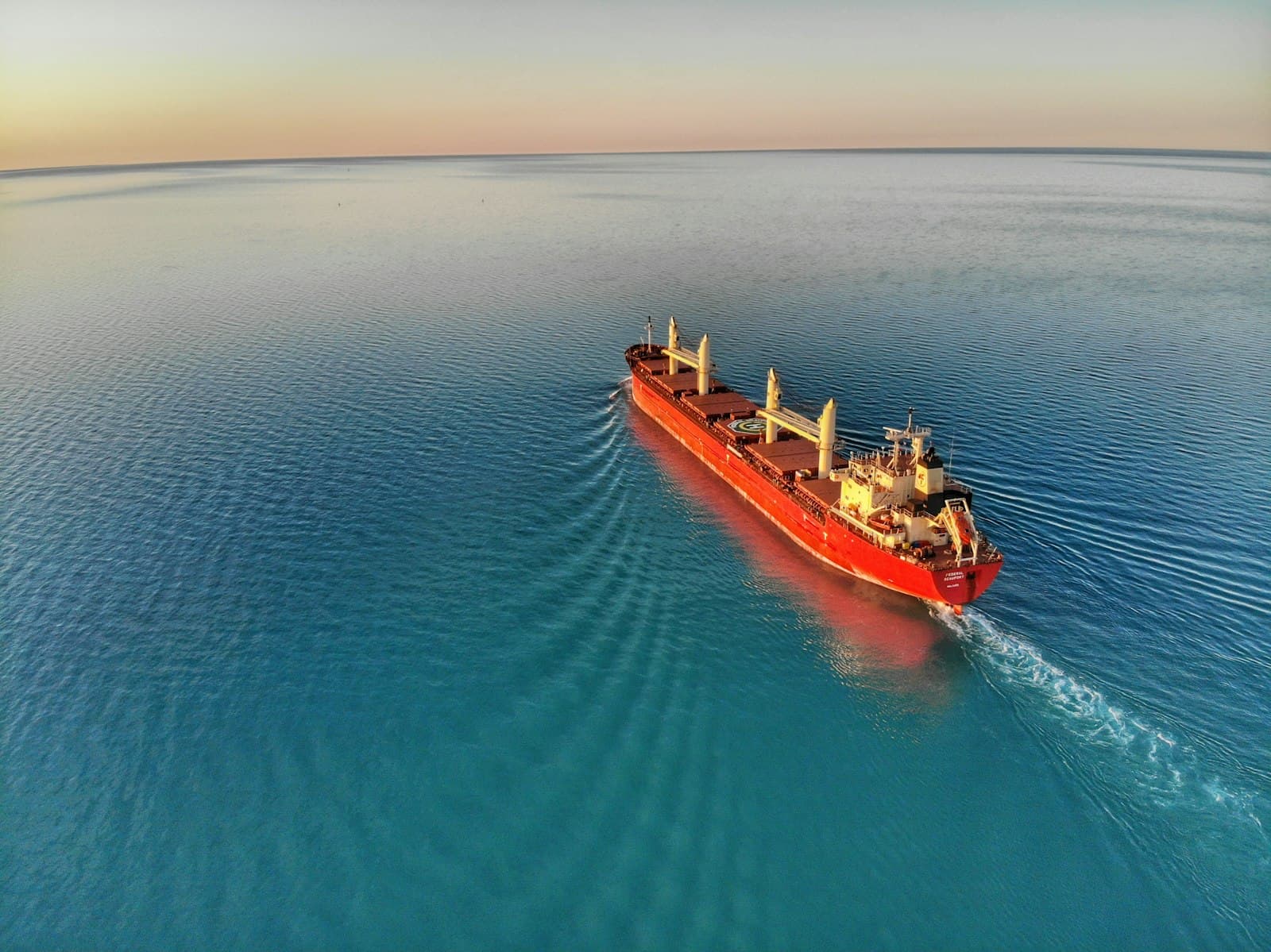
Importing a boat from the United States or the United Kingdom comes down to adding four cost blocks: the purchase price, transport, customs duty plus import VAT, and compliance certification for your destination market. The exercise pays off when the final price gap exceeds 20 to 30% — common on large American motor yachts and on models unavailable on the European market. Below that, fixed costs eat the saving.
The real calculation: four blocks to add up
The sticker price across the Atlantic is only the starting point. Add transport (roughly 15,000 to 60,000 euros for an Atlantic crossing by cargo ship, depending on size), customs duty — around 1.7% for most pleasure boats entering the EU, calculated on value plus freight and insurance — then the import VAT of the destination country, around 20% in France, charged on value plus transport plus duty. Rates shift with trade agreements: have them confirmed by a freight forwarder before committing, and read our boat VAT essentials. Finally add the on-site survey, exchange-rate exposure and your own travel: a serious file is costed line by line, not guessed. As an order of magnitude, plan for total on-costs of 30 to 45% above the purchase price on an American boat.
Compliance: the most underestimated cost block
A boat built for the American market generally carries no CE marking. To be registered and kept long-term in the EU by a resident, it must pass a post-construction assessment (PCA) run by a notified body: documentation review, inspection, possible testing. Budget from a few thousand euros for a simple boat to several tens of thousands for a large one, with no guarantee of a capped cost: 110 V/60 Hz electrics, gas installations, exhausts or stability can demand heavy modification. UK buyers face the mirror-image UKCA question, and other markets have their own regimes — check what your destination requires. This is the block that most often turns a "bargain" into a money pit. Get a PCA quote before the purchase, not after.
Cargo shipping or delivery on her own keel
Cargo shipment (on deck or below, on a cradle) is the standard route: a few weeks' transit, dedicated transport insurance, mast unstepped for a sailing yacht, serious preparation required. A delivery trip makes the boat travel on her own bottom: it saves the freight bill but adds the wear of an ocean crossing, professional crew wages, provisioning and a weather window — our delivery guide details the real costs. In practice, cargo is the obvious choice for motor boats and fragile units; a sailed delivery is defensible for a sound offshore sailing yacht with an experienced crew.
The United Kingdom: what Brexit changed
Since Brexit, the UK is a third country for the EU: a boat bought there owes import VAT on entering the Union, even if British VAT was paid long ago. Many UK-based boats lost their EU VAT status overnight, which explains attractive asking prices — the gap has to cover the VAT you will pay on arrival. On compliance, a boat already CE-marked before Brexit generally keeps its validity, unlike an American boat. Narrow exceptions exist (returned goods relief, same owner, strict time limits): validate each case with a freight forwarder or tax lawyer before signing, whatever your flag and destination.
When importing is genuinely worth it
Three profiles justify the exercise:
- large American units — flybridges, sportfish, trawlers — where the price gap comfortably absorbs duty, VAT and assessment costs;
- models absent from the European market, where importing is the only path;
- favourable exchange-rate windows, which add 5 to 15% of saving for free.
Conversely, importing an ordinary 8-to-10-metre boat almost always ends up costing more than buying locally once fixed costs are spread. Always benchmark against the local market with a proper search before looking abroad. Think about resale too: an imported boat without impeccable compliance papers will sell poorly, and the discount will erase the initial saving.
Where to start
Build the full landed cost: negotiated price, insured transport, duty, VAT, an assessment quote from a notified body, recommissioning. Have the boat surveyed on site by an independent professional — the standards of a proper survey apply identically abroad — and hand the customs mechanics to a forwarder who specialises in pleasure craft. If the total still sits 20% below the European market for comparable condition, the operation stands; otherwise, buy locally. Our yacht buying service can run the whole file, from the American inspection to registration under your flag. Finally, allow several months between the offer and the boat's European launch: customs, transport and certification cannot be compressed.
Frequently asked questions
How much does it cost to import a boat from the US to Europe?
On top of the purchase price, add cargo transport (roughly 15,000 to 60,000 euros depending on size), about 1.7% customs duty on value including freight, the import VAT of the country of entry (around 20% in France) on the total, and compliance certification, from a few thousand to tens of thousands of euros. Rates change: have a freight forwarder confirm them before committing.
Does an American boat need CE certification to be kept in Europe?
Yes, to be registered and kept long-term in the EU by a resident: it must pass a post-construction assessment (PCA) by a notified body. 110 V electrics, gas systems or certain equipment can require costly modification. Get a PCA quote before buying, because this block alone can wipe out the whole saving. Other destination markets have their own equivalent regimes.
Do you pay VAT on a boat bought in the UK since Brexit?
As a rule, yes: the UK being a third country, import VAT is due on entry into the EU even if British VAT was paid in the past. Narrow exceptions exist, such as returned goods relief under strict conditions. Every file deserves validation by a freight forwarder or tax specialist before signature.
Reading is the easy part. Then you have to decide.
A boat purchase turns on what you cannot see: the real history, the state of the hull below the waterline, how much room there is to negotiate. We represent you — independent of any seller, paid by you alone.