The 12 classic beginner boating mistakes
Oversized engines, ignored forecasts, buried lifejackets: the 12 most common beginner boating mistakes and the simple habits that prevent them.
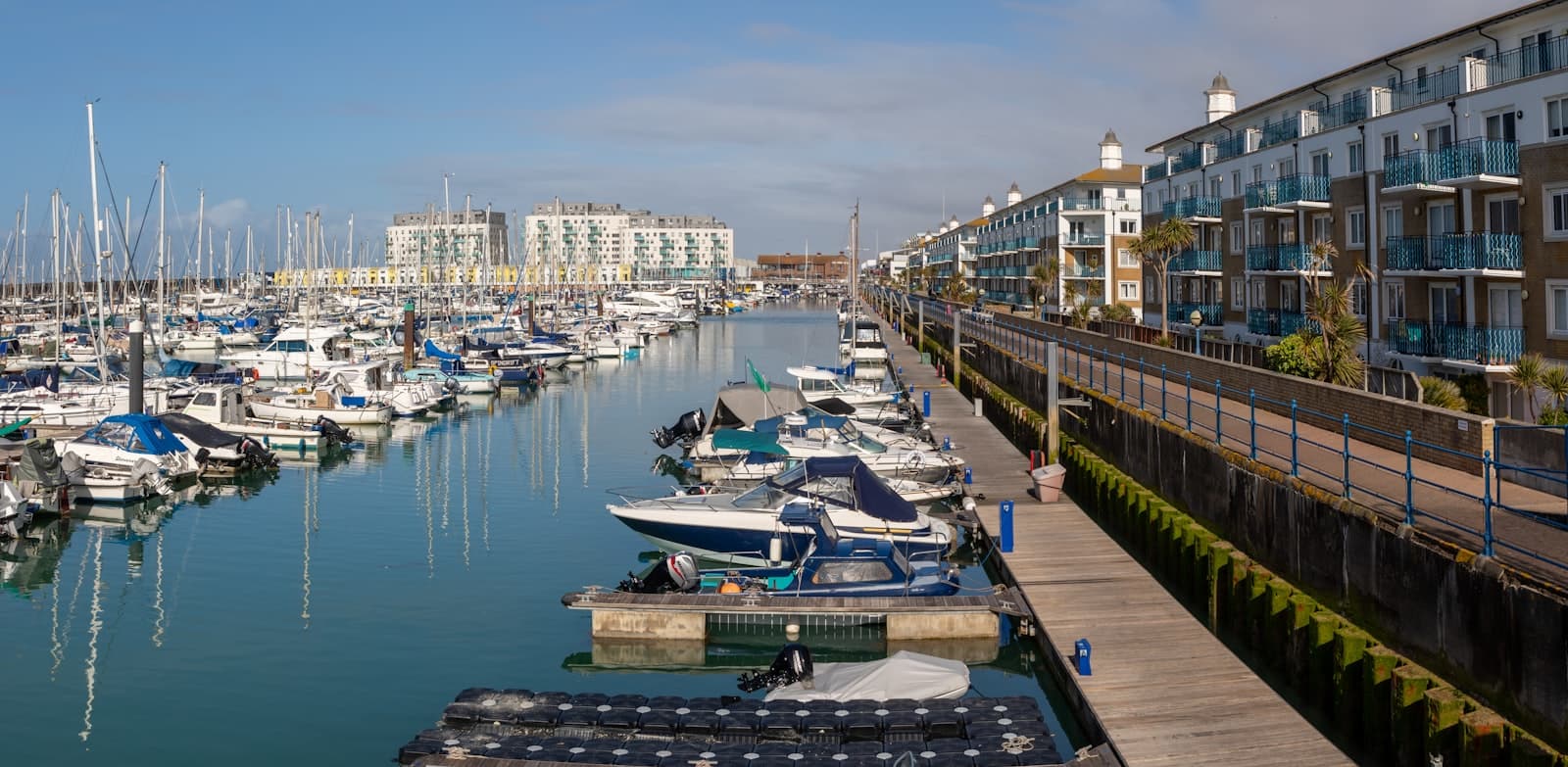
Beginner boating mistakes look the same from one harbour to the next: they rarely come from a lack of technique, almost always from overconfidence or under-preparation. The twelve below cover most early misadventures — from the badly calibrated purchase to the botched manoeuvre — and every one of them is neutralised by a simple habit, not by years of experience. The good news: they are so predictable you can literally learn them by heart before your first trip out.
Buying mistakes: going wrong before you even sail
1. Buying too big too soon. A big boat is less forgiving: stressful manoeuvres, berths impossible to find, costs that balloon. Better to learn on something smaller than your dream and miss a little space, than to leave a fifty-footer at the dock out of apprehension — our guide to the ideal boat size explores that threshold. 2. Over-powering. The dealer wins, you rarely do: heavier fuel bills, higher insurance, costlier servicing. A family boat does not need twice the horsepower to tow an inflatable. 3. Forgetting the usage budget. The purchase price is only the entry ticket: budget 5 to 10% of the value as new every year, as explained in what boating really costs.
Preparation mistakes: everything is decided at the dock
4. Ignoring the weather — or only looking at the sunshine. A marine forecast is read in average wind, gusts and sea state, not in pictograms. The trend matters as much as the snapshot: 12 knots building is not 12 knots easing. And check it twice: the evening before to decide, the morning itself to confirm or cancel. 5. Leaving without a briefing. Five minutes are enough: everyone's role, where the lifejackets live, how the VHF works, how to move around on board. The full run-through is in your first time out at sea. 6. Botching the provisioning. Water, food, warm clothes, and above all fuel by the rule of thirds: one third out, one third back, one third in reserve. Running out of fuel remains one of the leading causes of rescue call-outs.
Navigation mistakes: overconfidence offshore
7. Overestimating a day's distance. At a real average of 5 knots, 25 to 30 nautical miles make a fine cruising day under sail. Planning 60 miles with a novice crew means programming a night arrival, exhausted, into an unknown harbour. Halve your ambitions for the first season: nobody has ever regretted it. 8. Neglecting tide and current. On Atlantic and Channel coasts the stream makes or breaks a schedule — and uncovers rocks. Even in the Mediterranean, the afternoon thermal breeze traps late returns. Tide times are checked before leaving, not once the water starts dropping. 9. Sailing with eyes glued to the screen. The chartplotter is an aid, not a lookout: the healthy rule is a few seconds on screen, then eyes back outside. Collisions happen in fine weather, between two boats that could see each other perfectly — on their respective AIS screens.
Equipment mistakes: the gear that fails you at the worst moment
10. No dinghy, or an unusable one. At anchor the dinghy is your car: undersized, half-deflated or missing its oars, it turns an idyllic stopover into an exercise in social survival. Test it at the dock, inflation and engine included, before you actually need it. 11. Lifejackets buried in a locker. An unreachable lifejacket does not exist: it is worn fitted, or kept within immediate reach — and for children, as at night, permanent wear is the only serious rule. 12. The GPS as the single source of truth. Flat battery, software glitch, sketchy cartography close to the rocks: keep a course noted on paper, a navigation app on a second device, and the habit of fixing your position by eye.
Where to start: turning these mistakes into habits
Nearly all twelve traps are neutralised by three on-board reflexes:
- A written checklist before every departure — weather, engine levels, lifejackets, briefing: ten minutes flat.
- Progressive ambitions: short trips, easy conditions, and only one new parameter at a time — never a new boat, a new area and a novice crew on the same day.
- An honest debrief on return: what surprised you, what was missing, what changes next time. Write it down while it is fresh — memory flatters us all.
A beginner's mistake is not a fate: it is a training programme in disguise. The people who progress fastest are not those who make no mistakes — they are those who never make the same one twice.
Frequently asked questions
What is the most common beginner boating mistake?
Underestimating the weather comes first: reading a sunshine icon instead of average wind, gusts and trend. It is closely followed by fuel management without the rule of thirds, and by lifejackets stowed out of reach. All three are fixed with a simple departure checklist, without any new technical skill.
What boat size is right for a beginner?
For learning, a 20-to-30-foot boat offers the best balance of fun and forgiveness: enough room for a family, manoeuvres still manageable single-handed or short-crewed, and contained costs. Costs and complexity step up sharply around 40 feet. It is far better to sail often on a modest boat than rarely on a big one.
How do you progress quickly in boating?
Stack up short trips in easy conditions rather than occasional long passages, and change only one parameter at a time: area, boat or crew. Keep a logbook with each trip’s conditions and lessons, and debrief honestly on return. Hands-on training with a professional skipper also dramatically accelerates the first months.
The surest way to know a boat is to sail her.
Before you buy — or simply to get away this season. Tell us your dates and your cruising area, and we source the right boat through our network of owners and vetted fleets.