Your first time out at sea: the complete checklist
Weather, boat checks, crew briefing, return to port: the complete run-through of a successful first trip out at sea — before, during and after.
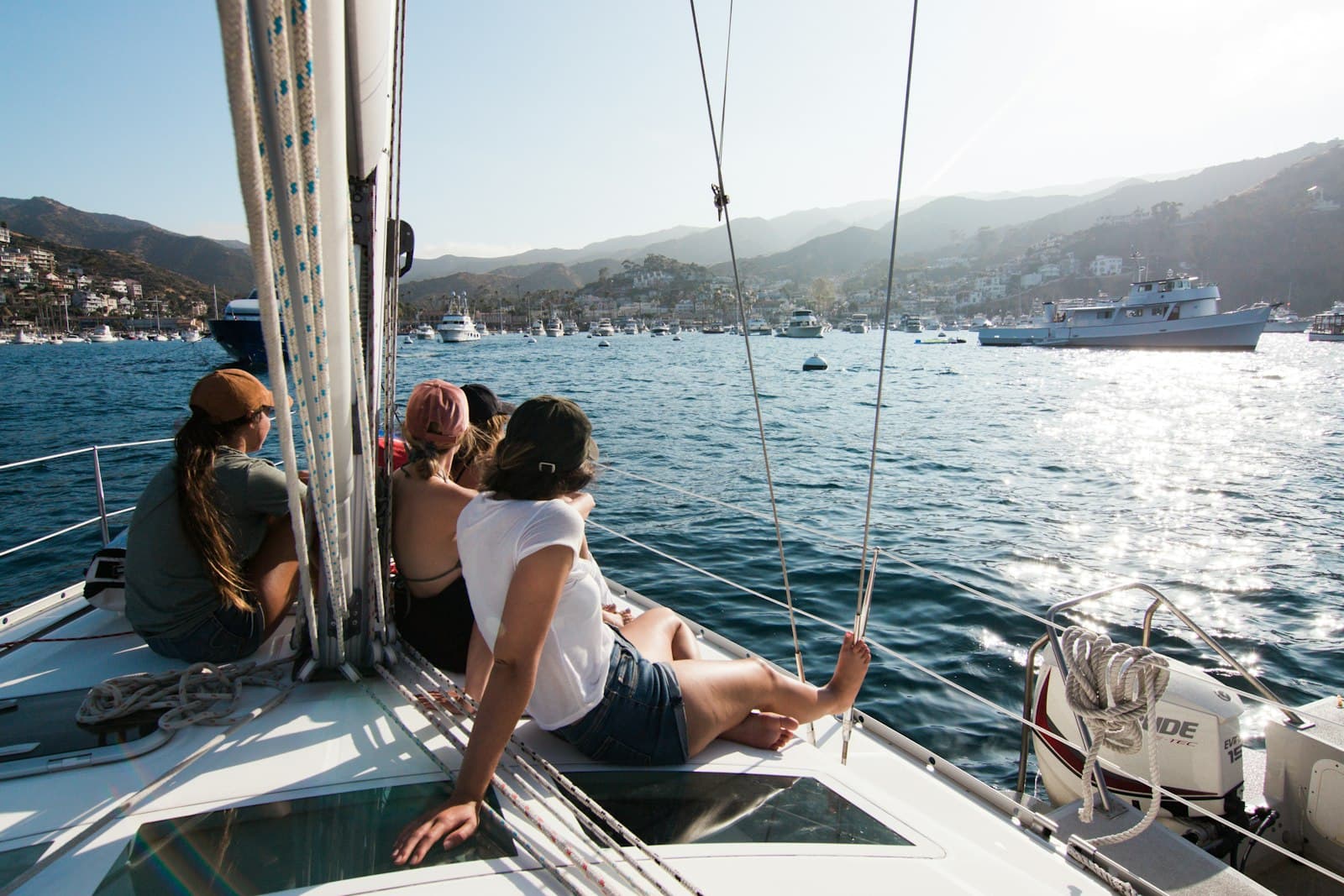
A successful first trip out at sea is decided 80% before you untie the lines: manageable weather (steady wind under 10-12 knots, slight seas), a boat checked from bilge to deck, a five-minute crew briefing and a deliberately modest plan — two to three hours in familiar waters, with a plan B. The rest is just attention, and pleasure.
The day before: weather, area and plan B
Check the marine forecast the evening before, then again on the morning itself: a bulletin is read in average wind AND gusts, sea state and trend — not in sunshine pictograms. For a first outing the ideal window is simple: steady wind below 10-12 knots, smooth to slight seas, decent visibility, no thunderstorms announced. If reading a forecast still feels foreign, our guide to reading marine weather covers the basics.
Then choose a sheltered area someone on board already knows, set a firm return time and a plan B in case of doubt. Cancelling the night before is not a failure: it is your first true seamanship decision. If you hesitate about the size of the weather window, remember that conditions at sea always feel one notch stronger than they look from the harbour wall. One last reflex: tell someone ashore your plan and your expected return time.
The walk-around before you leave
Fifteen minutes are enough, provided you are systematic:
- Engine: oil and coolant levels, belt, battery switch on, and once started, check that water is spitting from the exhaust.
- Fuel: apply the rule of thirds — one third out, one third back, one third in reserve.
- Safety: one fitted lifejacket per person within reach, VHF tested, extinguisher accessible, first-aid kit aboard.
- Boat handling: anchor clear and ready to deploy, lines and fenders prepared for the return, boathook accessible.
- Comfort: fresh water, something to eat, sunscreen, sunglasses, and warm clothes even in summer — it is always colder at sea than in the harbour.
The crew briefing: five minutes that change everything
Before leaving, gather everyone in the cockpit and run through the essentials: where you are going, for how long, what happens if conditions turn. Physically show the lifejackets, the extinguisher, the VHF (and channel 16), and how to stop the engine. Hand out roles: who casts off, who keeps lookout, who holds the boathook on return. Add the two golden rules: one hand for yourself, one hand for the boat, and nobody leaves the deck without telling someone. If anyone fears nausea, deal with it now — the advice is in our seasickness guide.
During the trip: rhythm, lookout and roles
Leave the harbour dead slow, observing everything: true wind, traffic, channel buoys. Once in open water, settle into a quiet rhythm. Run straight lines first, then practise the basic manoeuvres away from everything: full stop, U-turn, slow approach to an imaginary floating object. Let every crew member steer for a few minutes: nothing relaxes a beginner like having the helm in hand. It also buys you, as skipper, a few minutes to breathe, look around and check that everything on deck is where it should be.
Keep a permanent 360-degree visual lookout, watch how the sky evolves and keep an eye on the time. The golden rule of day one: cutting it short always beats stretching it out. A two-hour first trip that makes everyone want to come back is a total success.
Returning to port: the manoeuvre is prepared offshore
This is the densest moment of the day, so prepare it before entering: lines made fast, fenders rigged on both sides, roles rehearsed. Enter slowly — minimum steerage speed is enough — and identify the wind direction and its effect on your track. Nobody ever jumps onto the pontoon: you step across once the boat has stopped alongside. And if the approach looks wrong, pull out and go around again: experienced hands respect the skipper who restarts cleanly. To improve on this specific skill, read marina manoeuvres.
After the trip: the five-minute closing checklist
- Doubled mooring lines, fenders adjusted, battery switch off, seacocks closed if your boat requires it.
- Quick freshwater rinse if available, cockpit tidied, rubbish taken ashore.
- Debrief with the crew: what they enjoyed, what felt stressful, what was missing on board.
- Log the conditions, fuel consumption and lessons of the day in a notebook — the habit that accelerates progress more than anything else.
- Plan the next trip: slightly longer, never riskier — increase only one parameter at a time. And to sidestep the traps of the trips to come, keep the classic beginner mistakes close at hand.
Frequently asked questions
What weather is right for a first boat trip?
Aim for a steady wind below 10-12 knots, smooth to slight seas, good visibility and no thunderstorms in the forecast. Read the bulletin in average wind and gusts, not just weather icons, and check it the evening before and again on the morning itself. If conditions worsen or leave you in doubt, postpone: cancelling is part of seamanship.
What should you check on a boat before setting off?
Engine levels (oil, coolant) and water at the exhaust on start-up, fuel using the rule of thirds, one fitted lifejacket per person, the VHF, the extinguisher and the first-aid kit. Also prepare the anchor, mooring lines and fenders for your return. A systematic fifteen-minute walk-around is enough — what matters is never skipping it.
How long should a first trip at sea last?
Two to three hours, in sheltered and familiar waters, with a return time fixed in advance. That is long enough to practise basic manoeuvres and let everyone steer, and short enough to avoid fatigue, cold and seasickness. The goal of a first trip is not distance: it is making everyone want to go again.
The surest way to know a boat is to sail her.
Before you buy — or simply to get away this season. Tell us your dates and your cruising area, and we source the right boat through our network of owners and vetted fleets.