VHF radio: licence, channel 16, distress calls
SRC licence or not, MMSI and DSC, Mayday, Pan-Pan and Securite on channel 16, real-world range, handheld vs fixed: pleasure-boat VHF explained.
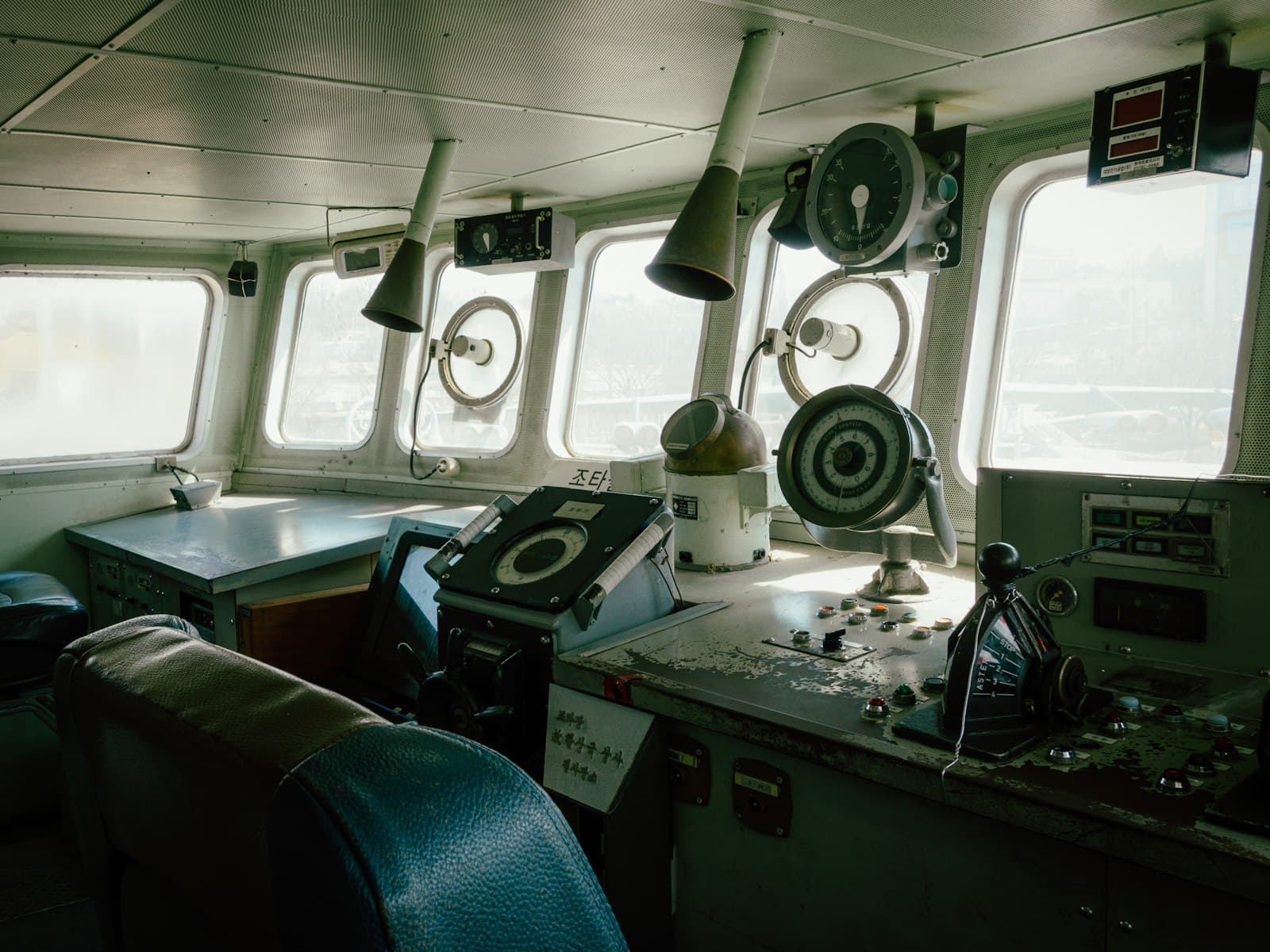
Marine VHF is the reference communication tool at sea: it alerts the rescue services and every vessel around you simultaneously on channel 16, something no mobile phone can do. Most flag states require an operator certificate (SRC or equivalent) for full use of a marine radio, with lighter rules for low-power handhelds in home waters. Here is what you need on licensing, distress calls and honest range figures.
Do you need an operator certificate?
The Short Range Certificate (SRC) — CRR in France, with equivalents under most flags — is the exam that authorises full use of a maritime radio station. The broad pattern across administrations: a low-power handheld used in national waters often benefits from a simplified regime, while a fixed VHF, DSC use or sailing in foreign waters generally require the certificate. The exam takes a few hours of preparation and covers procedures, channels and regulations — a modest investment that genuinely professionalises your practice. Rules evolve and differ by flag: check with your national radio authority before buying, especially if you plan to cross into neighbouring waters.
MMSI and DSC: distress at the push of a button
Modern VHF sets include DSC (Digital Selective Calling): a protected red button that automatically transmits a digital distress message with your identity and, if the radio is connected to a GPS, your exact position. To work, the radio must be programmed with an MMSI number, a nine-digit identifier issued with your ship station licence by the national radio authority — free or cheap for pleasure craft in most countries.
In practice: obtain the licence, programme the MMSI into the radio, connect the GPS. A DSC radio without an MMSI or a GPS feed loses most of its value in a real emergency. It is one of the first things to verify on a second-hand boat, alongside the rest of the mandatory safety equipment.
Channel 16: Mayday, Pan-Pan, Sécurité
Channel 16 is the international distress, urgency and calling channel. Three types of messages go out on it, in decreasing order of gravity:
- Mayday: grave and imminent danger to the vessel or a life (major flooding, fire, unrecovered man overboard). Repeat three times, give the vessel's name, position, nature of distress, people on board;
- Pan-Pan: urgency without immediate threat to life (engine failure drifting near a coast, injured crew needing medical advice);
- Sécurité: safety information about a navigation hazard (drifting container, extinguished light).
Keeping a listening watch on 16 is standard good practice: radio on, volume audible. All other traffic — marinas, bridges, ship-to-ship — belongs on dedicated working channels, never on 16, which you vacate as soon as contact is established.
The real range of a VHF
VHF works by line of sight: range depends mostly on antenna height, very little on power. Honest orders of magnitude: 3 to 5 miles between two handhelds at water level; 10 to 15 miles between a handheld and a coastal station on a headland; 20 to 30 miles between a masthead antenna on a sailing yacht and a shore station. Doubling the power never doubles the range — raising the antenna does. This is why a mobile phone, dependent on coastal networks and unable to alert nearby vessels, does not replace a VHF: at best, it complements one.
Handheld or fixed: ideally both
A fixed VHF offers 25 W, a high antenna and GPS-linked DSC: it is the core equipment, mandatory offshore under many flags including the French one. A handheld (5 to 6 W, 150 to 300 € for a waterproof floating model) serves as backup if the boat loses electrical power, goes in the dinghy, and stays with the watchkeeper. On a boat that never leaves coastal waters, a good waterproof handheld can be enough; as soon as the programme widens, the fixed set becomes essential and the handheld its understudy. In a man-overboard situation, the VHF often coordinates the recovery — see our man overboard guide.
Where to start
Take the SRC exam even if your current programme does not strictly require it: one day of preparation, an accessible test, and you will actually know how to use your radio the day everything goes wrong. Then obtain your ship station licence and MMSI, programme the radio, connect it to the GPS, and tape a laminated card next to the set with the Mayday script: name, position, nature, people on board. Finally, run a family drill: everyone aboard, children included, should know how to switch the VHF on, select channel 16 and read the GPS position aloud. The acronyms that trip people up (DSC, MMSI, MRCC) are in our glossary.
Frequently asked questions
Do you need a licence to use a handheld VHF on a boat?
It depends on your flag state. France, for example, waives the certificate for handhelds up to 6 W used in French waters, while a fixed set or foreign waters call for the CRR (the French SRC). Most administrations follow a similar pattern. Check the current rule with your national radio authority before relying on an exemption.
What is the real range of a marine VHF?
VHF is line of sight: expect 3 to 5 miles between two handhelds at water level, 10 to 15 miles to an elevated coastal station, and 20 to 30 miles from a masthead antenna. Antenna height matters far more than transmit power.
Can a mobile phone replace a VHF at sea?
No. A phone depends on network coverage, which fades quickly offshore, and above all it cannot alert nearby vessels — often the first ones able to help you. A VHF broadcasts your distress to everyone at once. Keep the phone as a complementary means, in a waterproof pouch.
Your boat can pay for its own berth.
A few chartered weeks a year are often enough to cover the berth and the maintenance. Vetted charterers, secured deposits, and your rules — you keep the calendar.