Rules of the road: who has right of way at sea?
COLREGs made simple: the privilege hierarchy, sail and power crossings, narrow channels and night lights — the reflexes for stress-free encounters.
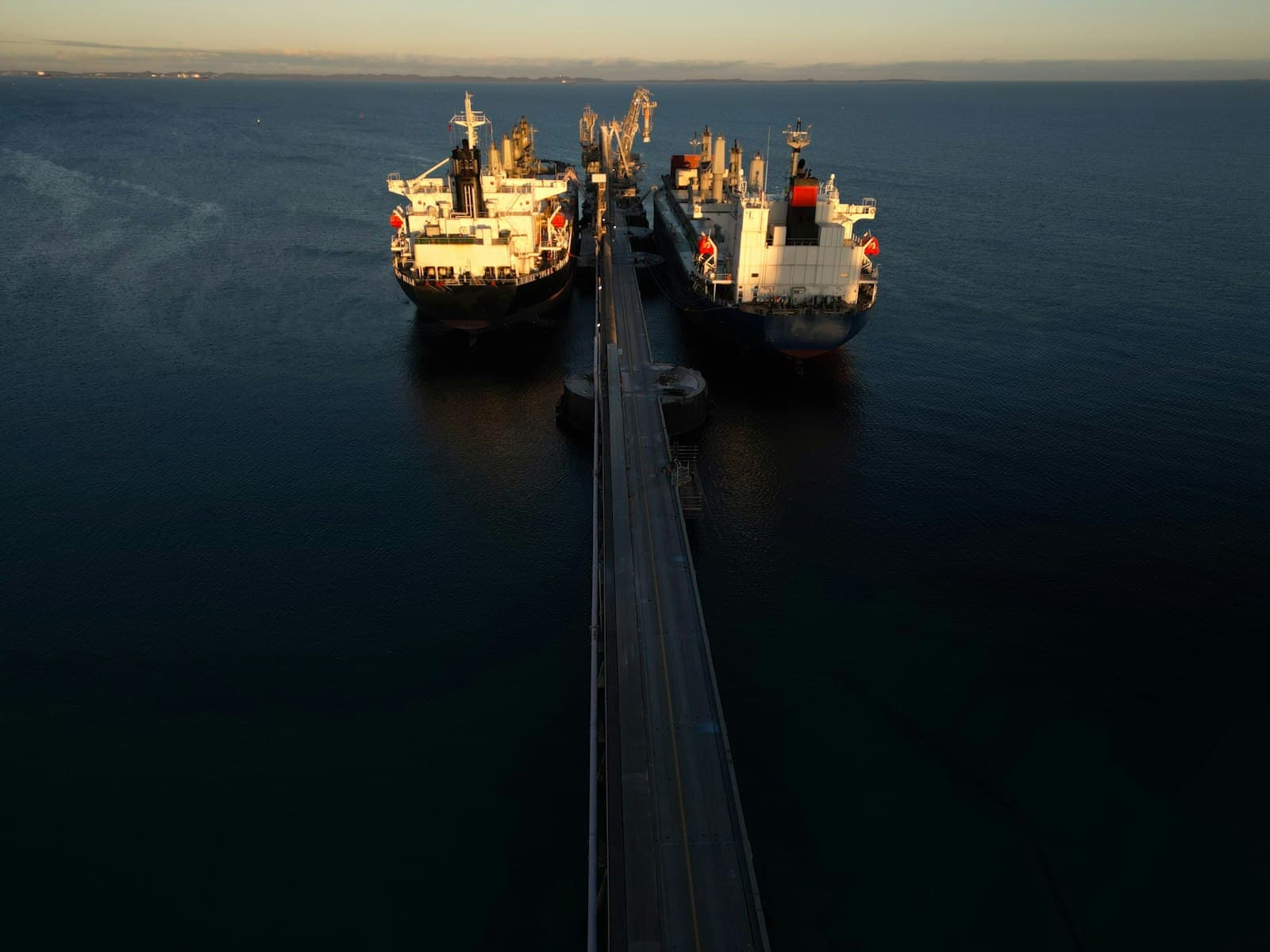
At sea, right of way is set by the COLREGs, the International Regulations for Preventing Collisions at Sea. Remember the logic: the less manoeuvrable a vessel, the higher its privilege — and between two power-driven vessels, the one coming from starboard stands on. Privilege never exempts you from keeping a permanent lookout, nor from avoiding a collision as a last resort.
The hierarchy of privilege: who gives way to whom
The COLREGs rank vessels from most to least privileged: vessel not under command (breakdown), vessel restricted in her ability to manoeuvre (dredging, underwater operations), vessel constrained by her draught, vessel engaged in fishing (trawls or nets deployed, not the Sunday angler trolling a line), sailing vessel, then power-driven vessel. Each gives way to everything ranked above it. A capital point: a sailing boat that starts her engine for propulsion becomes a power-driven vessel under the rules, even with every sail set. The logic of the text is crystal clear: the more easily you can manoeuvre, the more the manoeuvring falls to you.
Sail against sail: a matter of tacks
The tack names the side the wind comes from: on port tack, the wind arrives from port and the mainsail sits to starboard. Two rules are enough. One: on different tacks, the boat on starboard tack is the stand-on vessel, the other keeps clear. Two: on the same tack, the windward boat keeps clear and the leeward boat holds her course. And a third for murky cases: if you are on port tack and cannot tell which tack the other boat is on, assume you must give way and manoeuvre. These rules are identical in racing and cruising, everywhere in the world.
Power against power: the three textbook cases
First case, head-on: each vessel alters to starboard and they pass port to port, like cars on a two-way road. Second case, crossing courses: the vessel that sees the other coming from starboard gives way — in other words, traffic from your right stands on. Third case, overtaking: the overtaking vessel keeps clear, always and without exception — a sailing boat overtaking a motorboat must keep clear of her, theoretical privilege notwithstanding. In every case, the manoeuvre must be bold, wide and early: the other vessel must understand your intention at a glance.
Narrow channels, traffic schemes and big ships
In a narrow channel, vessels under 20 metres and sailing boats must not impede those that can only navigate safely inside the channel: cargo ships, ferries, pilot boats. Traffic separation schemes (the "motorways" of busy waters) are crossed with your heading at right angles to the traffic flow. With big ships, forget theory: a freighter at 18 knots covers a mile in three minutes twenty, with a blind spot of several hundred metres ahead of the bow and almost no ability to stop. In practice you pass astern, and you never "test" your privilege against 200 metres of steel. If you are unsure of having been seen, a call on VHF channel 16 with your position settles the doubt far better than stubbornness at the helm.
Night lights: reading intentions in the dark
At night, lights tell the whole story: red to port, green to starboard, white at the stern, and one or two white masthead lights for power-driven vessels. A few standard readings: a lone green means you see her starboard side, she is crossing your course; red and green together, she is coming straight at you; a lone white, you are overtaking her — or it is a vessel at anchor; red and green with no masthead light is a sailing boat. The vital reflex, day or night: a steady bearing with decreasing range means risk of collision. And slow down: at night, speed is the one variable you control completely. Go deeper with our night sailing guide.
Where to start: making the reflexes stick
- Learn the four standard situations by heart: head-on, crossing, overtaking, sail against sail.
- The moment doubt appears, take successive compass bearings: if they do not change, manoeuvre early.
- Manoeuvre boldly: a 30-degree course change is visible, a 5-degree tweak is not.
- Stand-on does not mean passive: hold course and speed, but the rules require you to avoid collision as a last resort. Five short blasts signal doubt or danger.
- A permanent visual and audible lookout remains mandatory; electronics help but do not replace it — see our guide to electronic navigation.
- The COLREGs are core syllabus in every licence and training scheme; the terms (tack, bearing, stand-on...) are in the glossary.
Frequently asked questions
Who has right of way between a sailing boat and a motorboat?
The sailing boat, as a general rule: the power-driven vessel must keep clear. Three major exceptions: a sailing boat overtaking a motorboat keeps clear; in a narrow channel, sail must not impede a big ship that can only navigate inside it; and against a vessel fishing or not under command, sail gives way. With her engine driving, a sailing boat becomes a power-driven vessel herself.
How do you know if there is a risk of collision?
Take several successive bearings of the other vessel, with a hand-bearing compass or by lining her up with a stanchion. If the bearing stays steady while the range decreases, you are on a collision course and must act. A bearing that draws clearly forward or aft indicates instead that you will pass clear of each other.
What if the give-way vessel does not take action?
The rules cover this case: the stand-on vessel first holds course and speed, then, as soon as it becomes apparent that the other is not acting, she must take action herself to avoid collision. Signal your doubt with five short blasts, manoeuvre widely, and as a rule avoid turning to port for a vessel on your port side.
The surest way to know a boat is to sail her.
Before you buy — or simply to get away this season. Tell us your dates and your cruising area, and we source the right boat through our network of owners and vetted fleets.